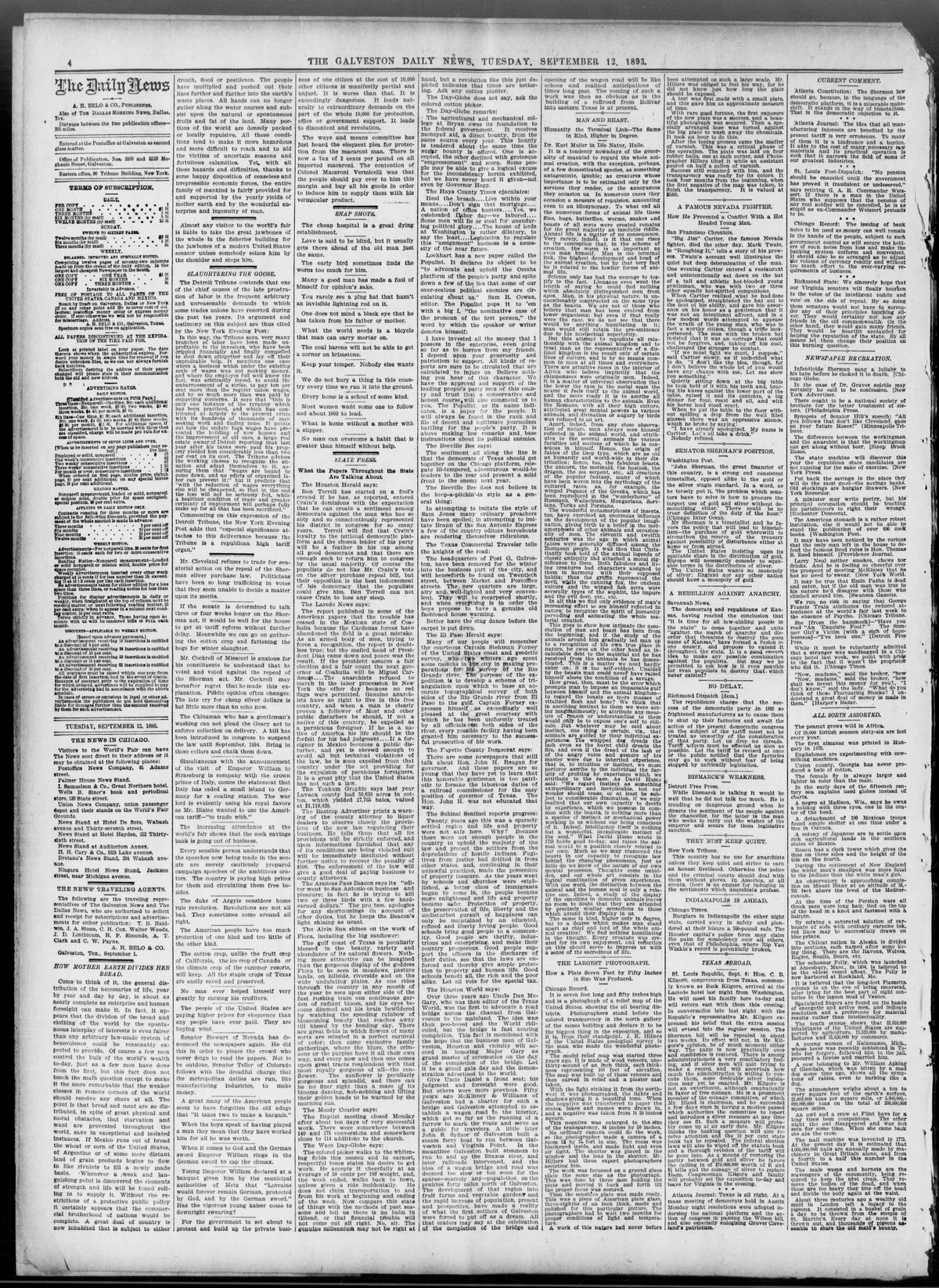
Local history projects keep a community's records from disappearing. Volunteers scan fragile photographs, transcribe century-old meeting minutes, and catalog the boxes that pile up in town clerks' offices and society attics. The work matters because paper does not wait. Ink fades, tape yellows, and a box left in a damp basement can lose its contents in a single decade.
The good news is that none of this requires a grant or a professional archivist to start. Most successful projects begin with a few residents, a flatbed scanner, and a system for naming files. This guide explains how those projects work, where the records usually live, and what a resident can do to help — whether the collection sits in a historical society, a village hall, or a family album.
It is also a community effort in the fullest sense. The same volunteer energy that runs a community cleanup or a fire company fundraiser is what keeps an archive alive. The difference is that archival work rewards patience more than turnout. We covered a connected angle in Haverstraw-Ossining ferry brings back weekend runs May 23 through October.
Why do local records disappear in the first place?
Three things destroy records: moisture, light, and neglect. Water from a leaky roof or a flooded storage room warps paper and grows mold, and mold spreads from one document to the next. Sunlight bleaches ink and yellows newsprint until it crumbles. Neglect is slower but just as final — a box nobody has opened since 1974 is a box nobody knows is missing.
There is also a quieter problem: records that were never saved at all. Photographs stayed in private albums. Church anniversary booklets, grange schedules, and volunteer fire department banquet programs were printed in small numbers and rarely archived. Once the people who remembered what those items meant are gone, the context goes with them.
That is why rescuing projects often start with a deadline. If a longtime society member is moving out of a house full of files, or a congregation is closing a building, the window to save the collection is short.
Where do a community's historical records actually live?
Most towns hold their records in more places than people expect. The town or village clerk's office keeps minutes, resolutions, deeds, and permit files by law, and those are the official backbone of any archive. Schools hold yearbooks and board records. Libraries often keep a local history room with clippings, maps, and family files donated over decades.
Then there are the unofficial collections, which are frequently the richest. Historical society buildings, church vestries, firehouses, and grange halls all tend to accumulate boxes of photographs, ledgers, and programs. Private homes hold the rest — the scrapbook a grandmother kept, the shop ledger from a business that closed, the negatives from a photographer who worked the high school dances.
Our analysis of how these projects succeed comes down to one habit: a map. Successful groups write down what they hold, where each box sits, and what condition it is in. That inventory, dull as it sounds, is what turns a pile of donations into a collection someone can actually use.
What does a digitization drive actually involve?
A digitization drive is a scanning project with a plan. The steps are simple enough to list:
- Sort and triage. Set aside anything moldy or actively deteriorating first — those items are scanned or photocopied before they get worse.
- Handle with care. Clean, dry hands; no food or drink at the table; oversized items laid flat rather than forced onto a small scanner bed.
- Scan at a sensible resolution. A common working standard is 300 dots per inch for documents and higher for photographs and negatives, which preserves enough detail for reprinting.
- Name files consistently. A date, a subject, and a source in every filename — for example, a year, an organization, and an item number — so files stay findable decades later.
- Back up in more than one place. An external drive plus a second copy kept elsewhere, checked occasionally, is the minimum.
The point of all this is not technology for its own sake. A scan is a copy, and copies are what survive. The original usually stays with its owner or institution; the digital file is what gets shared, searched, and rescued when the original is lost.
One caution worth repeating: never laminate, tape, or glue a fragile document to make it last. Those fixes cause damage that cannot be undone. When in doubt, leave the object as it is and photograph it.
How can a resident help without any training?
The most valuable thing an untrained volunteer brings is time and a careful eye. Societies almost always need people to transcribe handwritten minutes, sort photographs, and interview older residents about what a picture shows. Identifying the people and places in an unlabeled photograph is a skill no scanner can replace, and it depends entirely on memory that will not last forever.
Practical steps for a first-time volunteer:
- Ask the local historical society or library what their backlog is. They will tell you exactly what they need.
- Offer a specific skill — typing, spreadsheet work, a scanner you already own — rather than a general offer to help.
- If your family holds records, ask before donating, and ask about the group's policy. Some collections are loaned, some copied, some given outright.
- Label what you know now. Write names, dates, and places on the backs of your own family photographs, in pencil, before someone else has to guess.
What this means is simple: the barrier to entry is low, but the payoff compounds. An afternoon of transcription in one year becomes a searchable record for the next fifty.
What should a group watch out for when sharing records online?
Sharing is the point of digitization, but a few limits deserve respect. Privacy applies to the living: social security numbers, medical information, and personal details in mid-century records should be redacted or withheld. Copyright is a real constraint on published material such as newspaper articles and books, and a group planning a public website should check the rules before posting. Photographs of identifiable people raise similar questions, and a simple posted policy — what the group will and will not publish — prevents most disputes.
None of this should scare a group off the project. It just means the website or shared drive deserves the same care as the scanning table.
Where does the work go from here?
What the evidence of long-running projects establishes is that archives survive on routine, not heroics: a regular scanning schedule, a written inventory, consistent filenames, and backups that get checked. What remains unknown in any given community is which private collections are still sitting in attics, and only residents can answer that. The records that matter most are often the ones nobody has asked about yet — and the asking is the project. Residents who want to see what local institutions are up to can follow town government agendas for any archive or preservation items, and check local events listings for society open houses and scanning days. Readers following this should also see How Clarkstown homeowners get money back through STAR.