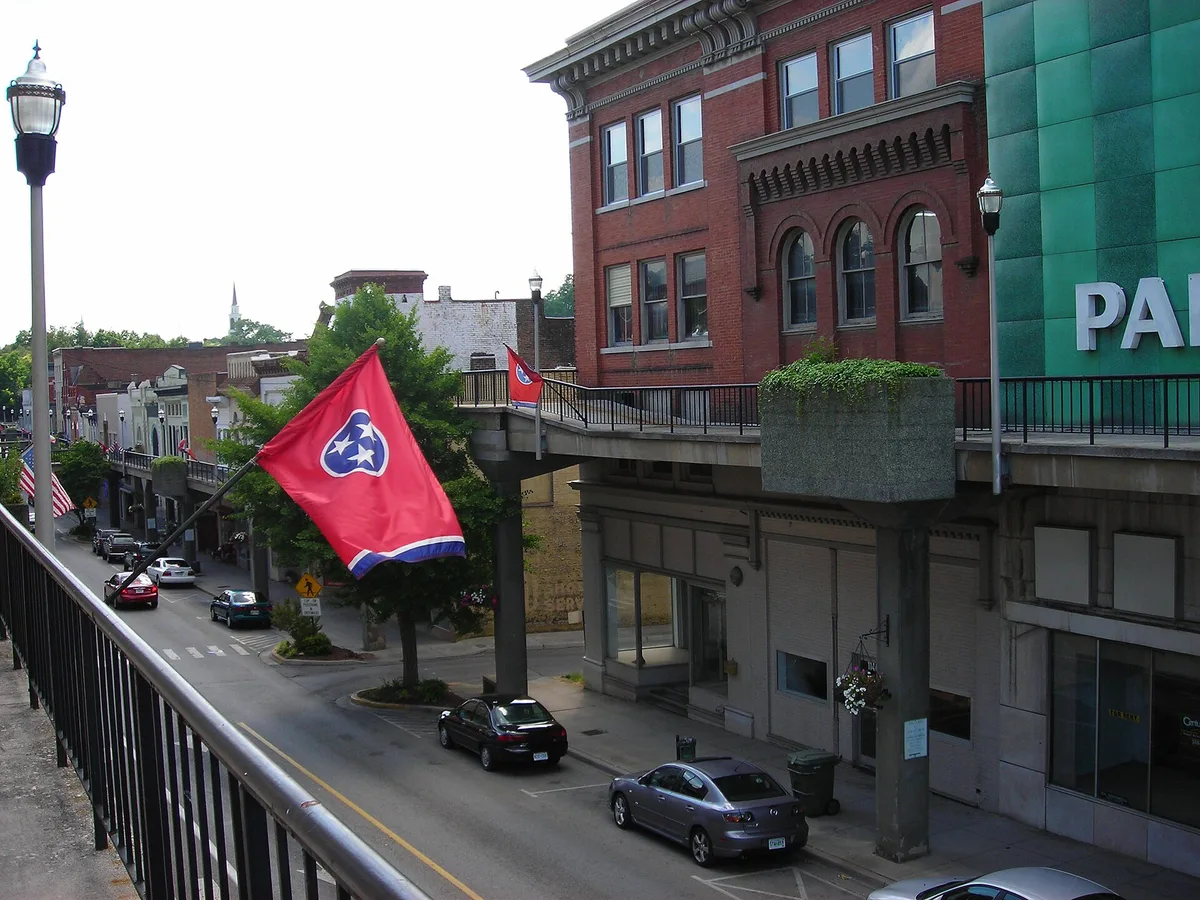
A small business owner on a Rockland Main Street typically starts the day before the sign flips to OPEN. The morning belongs to deliveries, invoices, and a quick walk of the floor. The afternoon belongs to customers. The evening belongs to paperwork. That rhythm repeats six, sometimes seven days a week.
This piece walks through that day in general terms — what the work involves, where the money goes, and why so many owners describe the job as wearing every hat at once. It draws on no single store; it describes the pattern that retail owners across the county's villages and towns tend to recognize. We covered a connected angle in New City: Rockland County correction officer exam application window closes June 12.
What does the morning look like?
Deliveries set the clock. A box truck arrives before the sidewalk is swept, and someone has to be there to count cartons, check for damage, and sign. If a shipment runs late, the whole day shifts — the owner is, in the plain sense of the word, behind schedule, and the afternoon's staffing plan has to absorb it.
After the truck leaves comes the register count, the till, and the first scan of the sales numbers. Owners who have done this for years describe the morning as the only quiet hour they get. It is also when the phone rings: a supplier confirming an order, a part-time employee calling out, a landlord's office with a notice.
How does staffing actually work?
Most small shops run on a small core — often the owner plus one or two steady employees — padded out with part-time help whose hours move week to week. Scheduling is a puzzle with moving pieces: school calendars, second jobs, ferry and train commutes, and the simple fact that customer traffic is not the same at noon as it is at six.
When someone calls out, the owner covers the counter. That is not a hardship story; it is the standard operating model. In a one- or two-person shop, the owner is the backup for every role, from bookkeeper to floor sweeper. Hiring is slow and deliberate because a bad fit costs more than an empty shift.
Where does the rent math come in?
Rent is usually the largest fixed cost a storefront carries, and it is due whether the week was busy or dead. Owners talk about rent in terms of coverage: how many good sales days it takes to cover the month's fixed costs before anything is left over. Utilities, insurance, card-processing fees, and inventory restock all sit in the same bucket.
The word behind carries a second, less cheerful meaning in this trade. Dictionaries record it plainly: to be behind on rent is to be in arrears — late on a payment you owe. The Free Dictionary lists that sense directly: "in arrears; late: I fell behind in my payments," and separately, "in debt; in arrears: to be behind in one's rent." For a retailer, that definition is not abstract vocabulary. It is the number one watches every month, because falling even one cycle behind on a lease can start a clock that is hard to stop.
That is why experienced owners treat the rent line as the first bill paid, not the last. Everything else can flex a little; the lease cannot.
What does the afternoon and evening hold?
The middle of the day is customers — the part of the job most people see. Regulars, browsers, returns, special orders, the occasional complaint handled at the counter. Owners describe this stretch as the reward and the test at once: it is why they opened a shop, and it is also where service problems surface first.
After closing comes the second shift. Receiving paperwork gets filed. The next day's schedule goes out. Orders get placed so shelves are not empty on the weekend. In seasonal towns along the Hudson, the rhythm bends around visitor traffic; in village centers, it bends around the school day and the commute. Either way, the books get done at night, often at the kitchen table.
What this means for the rest of us
Our analysis, reading the pattern rather than any one store: the storefronts that last are run by people who treat the unglamorous parts — deliveries, scheduling, rent coverage — as the real business, and the charming parts as the reason to endure them. When a local shop closes, it is usually the arithmetic that closed it, not a lack of effort.
For residents, the practical takeaway is simple. Every purchase at an independent shop flows directly into that owner's rent math and payroll, in a way a purchase at a chain does not. If Main Street storefronts matter to you, the counter is where that shows up — one sale, one shift, one month at a time.
Rockland's business community is covered year-round in these pages, from the county's largest retail news to the small shops that anchor village sidewalks. The county's own budget choices, adopted by the Legislature in New City, shape the roads, sidewalks, and services those shops depend on. And when a beloved store marks an anniversary or a closing, it is worth reading the notice carefully: the story is usually in the numbers, not the sign in the window. For related coverage, see New City: Rockland County Legislature adopted a $913.8 million 2026 budget with no tax increase.