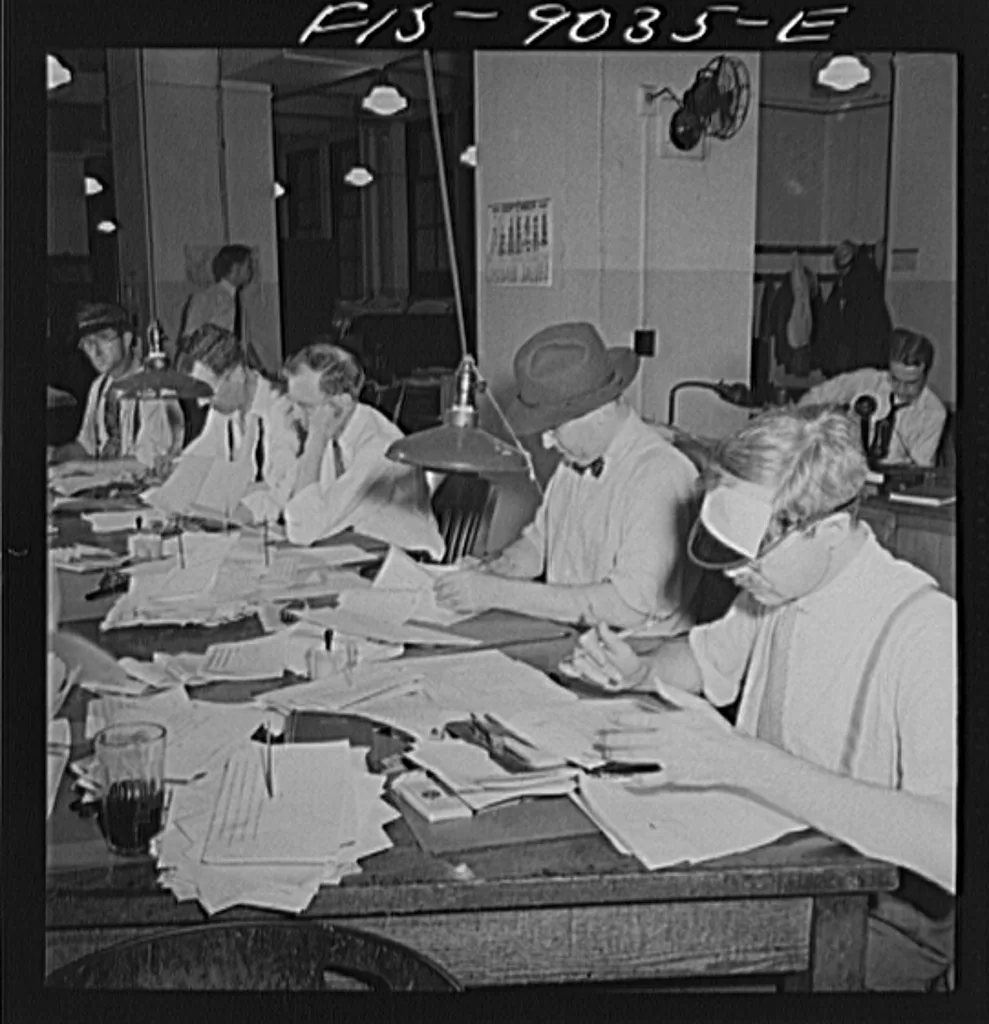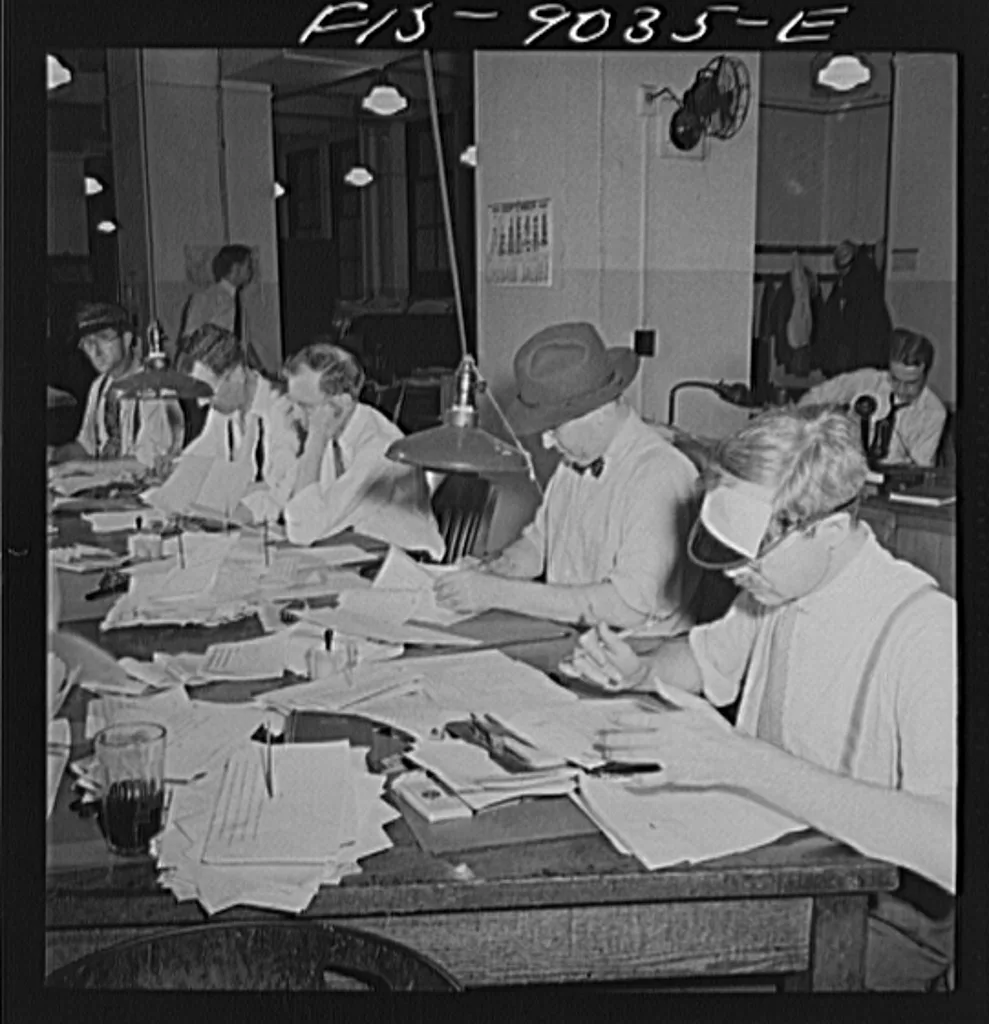
Most of what residents learn about state government arrives through a statehouse bureau that may have two or three reporters in it. Those bureaus cover the governor, the legislature, the budget, and the state agencies whose decisions reach Rockland County as school aid, utility rates, and new laws. What they cover, and what they skip, is a set of choices made under real constraints.
This explainer walks through how a small bureau sets its priorities: what gets covered first, what gets watched from a distance, and why some state stories never get written at all. It also explains why the local stories that depend on state decisions, like school aid or a bridge closure, so often start at a desk in the state capital rather than in the county.
What does a statehouse bureau actually do?
A statehouse bureau is a newsroom's permanent post at the state capitol. Its job is to sit through the parts of state government that nobody else has time to watch: budget negotiations, committee hearings, agency rule-making, and the floor sessions where bills pass or die. The bureau is the newsroom's early-warning system. When a decision in Albany will eventually change a tax bill or a school budget in New City, the bureau is usually the first to see it coming.
The work splits into three broad streams. The first is daily coverage: what the governor announced, what passed the legislature, what a state agency proposed. The second is accountability reporting, which means reading the documents others skim, such as budget language buried on page 47 of a spending bill. The third is the watch list, a running set of issues the bureau tracks without writing about every development, waiting for the moment a story becomes real for readers back home.
How do two or three reporters cover an entire state government?
They don't cover all of it, and they don't try. A small bureau makes choices every morning about where its people go. One reporter takes the hearing that matters most that week. Another reads filings and agency calendars. The third, if there is one, works the longer story that a daily rundown would crowd out. Everything else gets handled by scanning: agendas, press releases, and the summaries produced by the legislature's own staff.
The physical building helps. A state capitol concentrates the governor's office, both legislative chambers, and most major agencies under one roof, so a reporter can move between a budget hearing and an agency briefing in the same morning. Some capitols are old enough to be destinations in their own right; the Massachusetts State House in Boston, for example, has housed that state's legislature and governor's offices since it was completed in 1798, and its history is part of how the building works as a workplace. The architecture is memorable, but the reporting value comes from proximity: everyone a bureau needs to reach works within a few hundred yards.
Proximity also creates the bureau's central tension. Being in the building means hearing what insiders are discussing. But the stories that matter most to a county like Rockland's are often about effects, not process, and effects happen back home. A good bureau spends part of every week calling school business officials, town supervisors, and agency regional offices to connect the statehouse decision to the local consequence.
What gets covered first when there isn't time for everything?
Priorities follow money, law, and deadlines. In practice, a small bureau's hierarchy usually looks like this:
- The state budget. It is the single document that touches every town, school district, and household. Bureau reporters read it line by line because the differences between drafts are where the real decisions hide.
- Laws that change how residents live. Housing rules, health coverage, leave benefits, and tax credits all originate in the legislature. A bureau tracks them from first printing to final vote.
- The governor's major actions. Vetoes, executive orders, and appointments can redirect policy without a legislative vote, so they get same-day attention.
- Agency decisions. Utility rates, environmental permits, and transportation projects are made by appointed boards and departments. They get covered when the decision is final enough to matter to residents.
- Everything else, on a watch list. Studies, task forces, and proposals with no deadline are tracked but not written until they turn into something.
Notice what sits near the bottom: much of what fills a capitol's daily calendar. A bureau that wrote about every hearing would have no time for the two or three stories a year that readers actually act on.
Why does statehouse work matter to a county like Rockland's?
Because the county's biggest cost drivers are decided in the capital, not in New City. School aid is set in the state budget. Utility delivery rates are set by state regulators. Toll and fare decisions come from state-controlled authorities. Even a bridge rehab on Route 59 is a state transportation decision with a purely local disruption. When a bureau covers the moment those decisions are made, local readers learn about them while there is still time to react, comment at a hearing, or plan around them. Readers following this should also see New York regulators' O&R rate plan delivers a second delivery-rate step-up in 2026.
Our analysis of how these stories flow: the state decision is the cause, and the local effect is the story. That's why coverage of a budget agreement or a regulatory rate plan matters more to a household than most of what happens on a capitol's floor on a given afternoon. Readers who want the local end of that pipeline can follow the state news coverage here, and the government section for the county and town decisions that sit downstream of it.
Concrete examples show the pattern. The state budget's school-aid line determines what districts like Rockland's can spend, which is why a budget story is also a school story. A regulator's rate plan becomes a household bill, as with the O&R delivery-rate step-up approved for 2026. A housing law signed in the capital changes what can be built on a suburban lot, as covered in the Let Them Build housing agenda. None of these stories could be told well without someone reading the underlying state documents. We covered a connected angle in New York signs the Let Them Build housing agenda into law, easing the path for suburban development.
What does the shrinking of statehouse coverage mean for readers?
It means fewer eyes on the documents. Statehouse bureaus have thinned across the country for the same economic reasons local newsrooms have, and the practical result is well understood in the trade: when no reporter reads the budget bill, the language that survives is the language nobody contested. A two-person bureau cannot replace a ten-person one. What it can do is triage well, share work with other bureaus through newsroom collaborations, and lean on open records and posted documents to multiply what a small staff can verify.
For readers, the useful habit is to ask, when a state decision lands locally, who reported it from the source document and when. A story built on the budget text or the regulatory filing can be checked. A story built only on a press release cannot. That distinction, more than any single scoop, is what statehouse reporting exists to provide.
Where this leaves Rockland readers
The evidence here is mostly procedural rather than statistical: a small bureau covers the budget, the laws, the governor's actions, and the agency decisions that reach residents as bills, rates, and classroom funding, and it watches the rest. What remains unknown in any given year is which of those decisions will matter most to a particular town, because that depends on choices still pending in the capital. The practical takeaway is to treat statehouse reporting as the front end of local news. When the state acts, the local effect follows, and the reporting chain, from the budget line to the school district to the tax bill, is how a reader gets from one to the other.