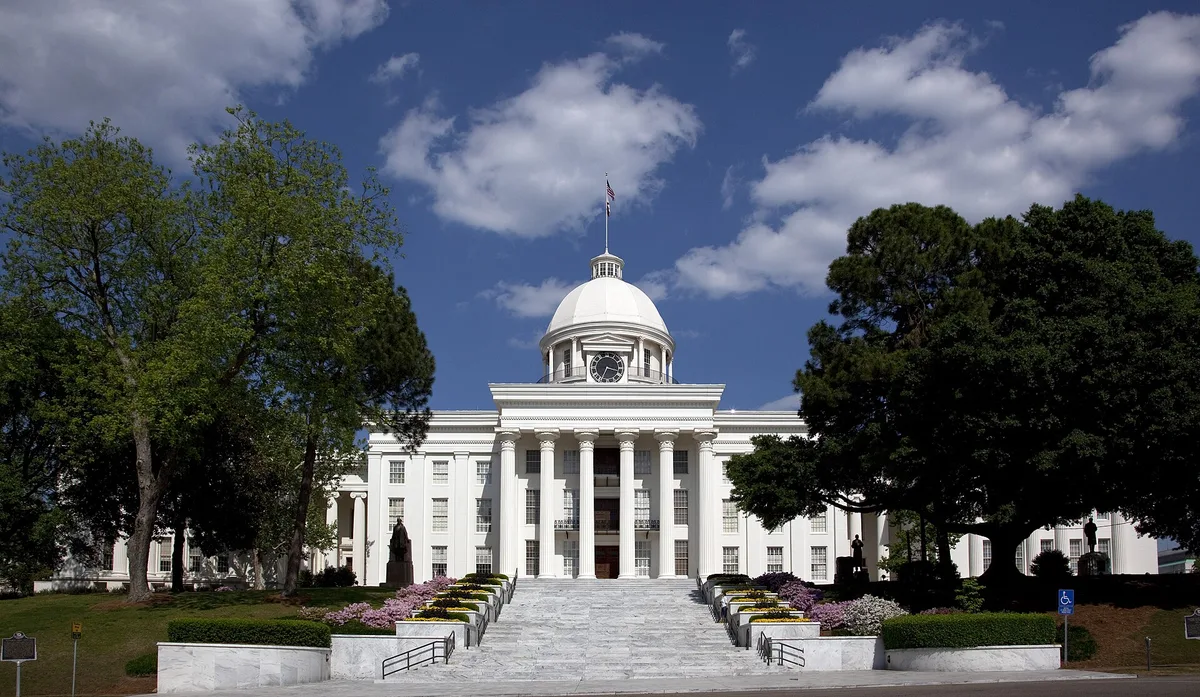
Most of the rules that shape daily life in Rockland County — how a road project gets funded, what a landlord can charge for a security deposit, how school aid is divided — start the same way: as a bill in the State Legislature in Albany. A bill becomes a law when both chambers pass the same text and the governor signs it. Until every one of those steps happens, an idea is only a proposal, no matter how much news coverage it gets.
The process matters to residents because it explains the gap between a headline and a change they can feel. A housing plan announced in Albany, for example, only reaches a Clarkstown planning board after the bill passes, gets signed, and takes effect on the date the law itself sets. Knowing the steps helps you tell the difference between something that is happening and something that might happen.
The framework underneath is simple. As Wikipedia's overview of U.S. state government explains, every state runs on three separate branches — legislative, executive, and judicial — and holds the powers not delegated to the federal government. In practical terms for New York: the Legislature writes the laws, the governor signs or rejects them, and the courts settle disputes about what they mean.
Where does a bill start?
A bill starts as a written proposal sponsored by one or more legislators. In New York, that means a member of the State Senate or the State Assembly puts the idea into formal legislative language and introduces it in their chamber. Any legislator can sponsor a bill; the idea behind it might come from a constituent, a state agency, an advocacy group, or the governor's own agenda.
The same idea can be introduced in both chambers at once, but the two versions must end up identical before anything reaches the governor's desk. That matching requirement is why bills sometimes stall even after passing one house. If the Senate and Assembly each tweak the text, someone has to reconcile the versions before the process can move on.
For a Rockland reader, the sponsors are the people on the ballot. Your state senator and your assemblymember are the entry point for any idea you want turned into a bill. Contacting their office is how a local concern — a dangerous intersection, a zoning frustration, a tax question — gets on someone's desk in Albany.
What happens in committee?
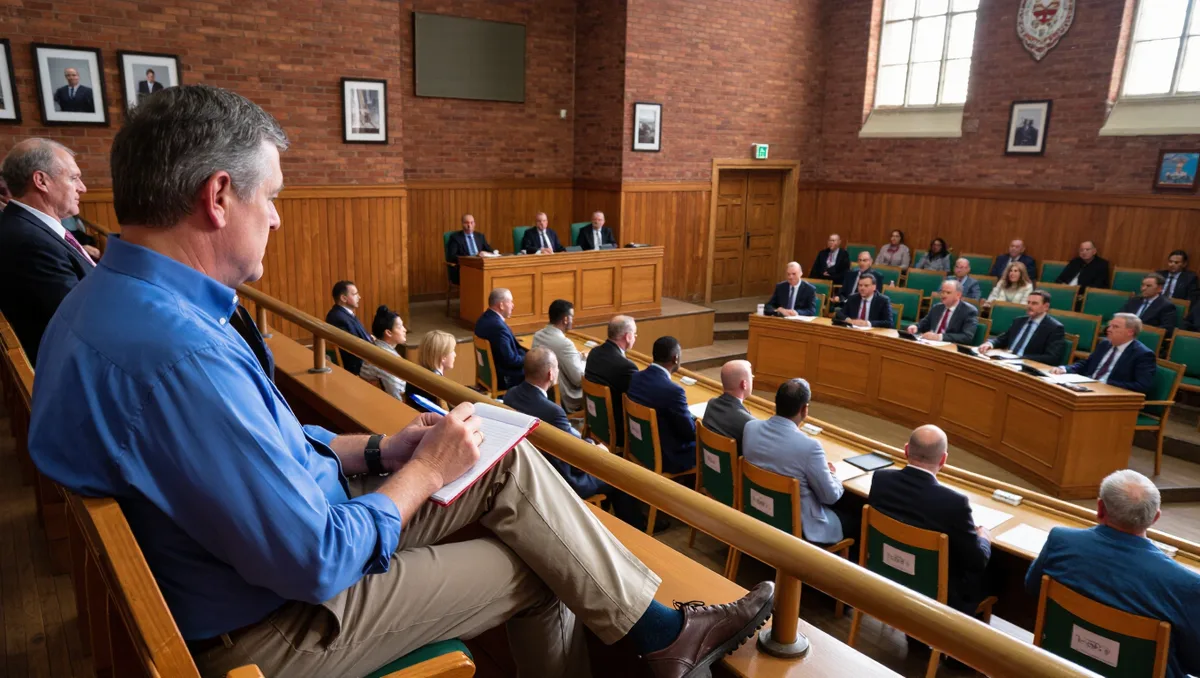
Before a bill reaches a full chamber vote, it almost always goes to a committee — a smaller group of legislators who focus on one subject area, such as education, transportation, or housing. The committee reviews the text, hears from supporters and critics, and can amend the bill, hold it, or move it along. Most bills do not survive this stage, which is the Legislature's way of filtering the thousands of proposals introduced each session.
This is the quiet step where a lot of the real shaping happens. A bill that leaves committee often looks different from the version first introduced: narrower, with exceptions added, or with a later start date. Those changes are worth watching, because they are usually where a broad idea becomes a specific rule with specific effects on places like Rockland.
How does a bill reach the governor?
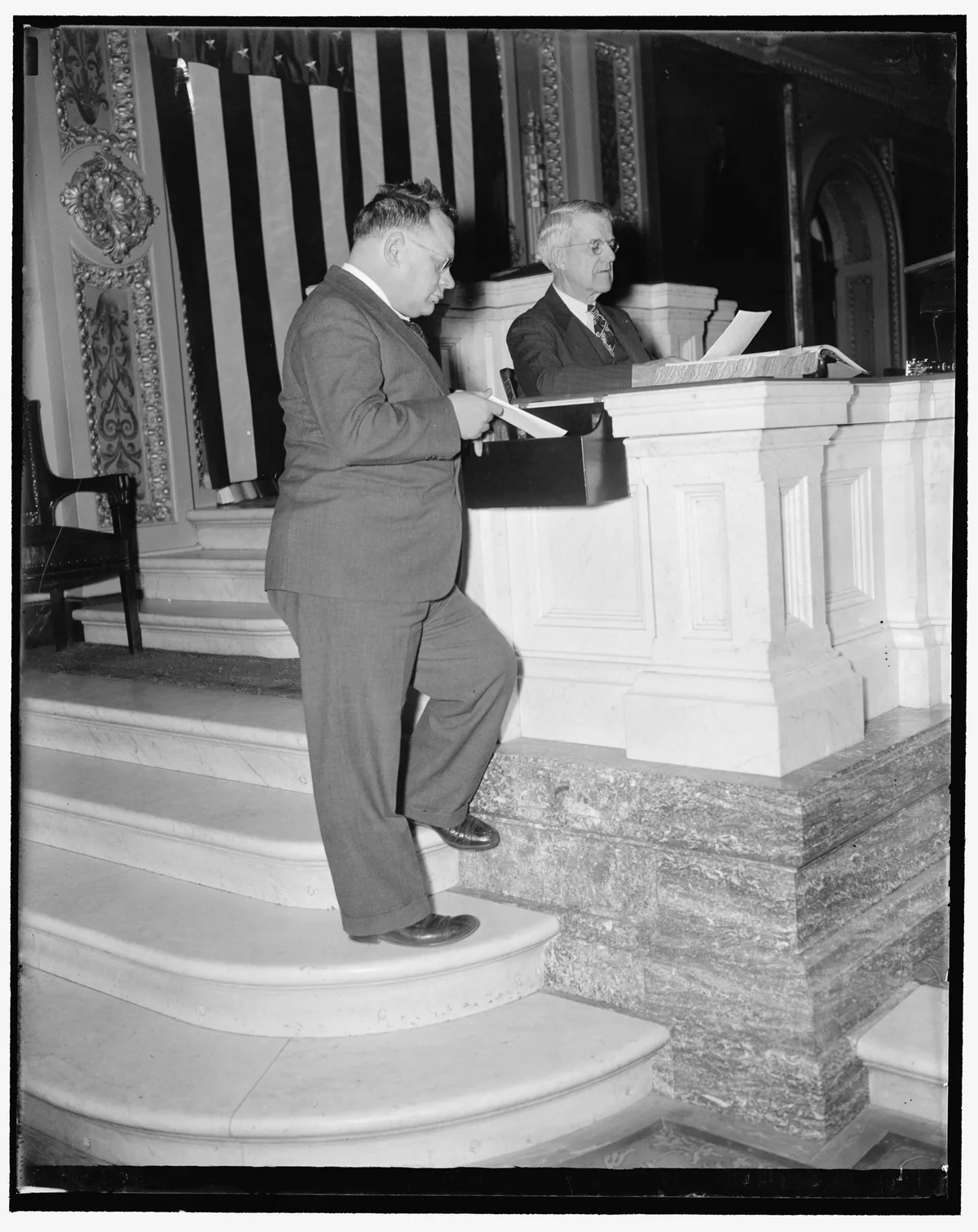
Once a committee advances a bill, the full chamber debates it and votes. If a majority approves, the bill crosses to the other chamber, where it goes through its own committee and floor vote. When both chambers have passed identical text, the bill is delivered to the governor.
The governor then has three basic options: sign the bill into law, veto it, or — under New York practice — return it with recommended changes. A veto ends the bill for that session unless the Legislature overrides it with the supermajority the state constitution requires. A signature makes it law, but not necessarily immediately: many laws include their own effective date, sometimes months after signing, so agencies and local governments have time to prepare.
That lag between signing and taking effect is one of the most useful things to check when a new law makes headlines. A housing law signed in one year may not change what a village board can approve until a later date written into the bill itself.
What this means for Rockland
Our analysis: the statehouse process explains the pattern behind several stories we have followed recently. The state's housing agenda, signed into law to ease the path for suburban development, only reaches Rockland's towns through the local review processes it changed — which is why we looked at how it lands in New York's Let Them Build housing agenda and what it means for Rockland. The same is true of the annual budget, where school aid is set for districts across the county, as in our coverage of record school aid in the 2026-27 state budget. This connects to our earlier piece, New York signs the Let Them Build housing agenda into law, easing the path for suburban development.
State law also sets the frame that county and local governments work inside. Counties can only keep the sales tax rates the state authorizes, which is the backdrop to Rockland County's sales tax, explained. And when state agencies act — a bridge closure, a rate plan for the local utility — they are carrying out authority that ultimately traces back to statutes passed through this process.
The practical takeaway: when you see an Albany headline, check three things. Has the bill passed both chambers? Has the governor signed it? And what effective date does the law itself set? Only after all three does a state change show up at town hall.
How can residents follow the process?
Every step is public. Bills, their sponsors, their committee assignments, and their vote histories are published by the Legislature, and both chambers post session calendars and transcripts. Signing messages and vetoes are released by the governor's office. You do not need a press pass to read any of it.
For local context, our state news coverage follows the Albany decisions that reach Rockland, and our government section covers how town and village boards respond. The two levels connect more often than most residents expect — a state zoning reform or a school-aid line in the budget usually has a direct local echo within a budget cycle or two.
The limits of the process
Passing a law is the beginning of enforcement, not the end of the story. State laws often require agencies to write regulations that fill in the details, and local governments to adjust their own codes. Courts can also be asked to interpret a new law, which can change how it works in practice. What the evidence of the process establishes is the sequence — introduction, committee, floor votes in both chambers, gubernatorial action, effective date. What remains unknown at any moment is usually timing: when a stalled bill moves, and when a signed law actually starts changing things on the ground.