People return to Maine's midcoast towns every summer for a simple reason: the coastline is unlike anywhere else in the country. In a straight line, Maine's shore runs about 228 miles. Follow every cove, inlet and island, and it stretches to roughly 3,478 miles of tidal shoreline — more than California, according to World Atlas.
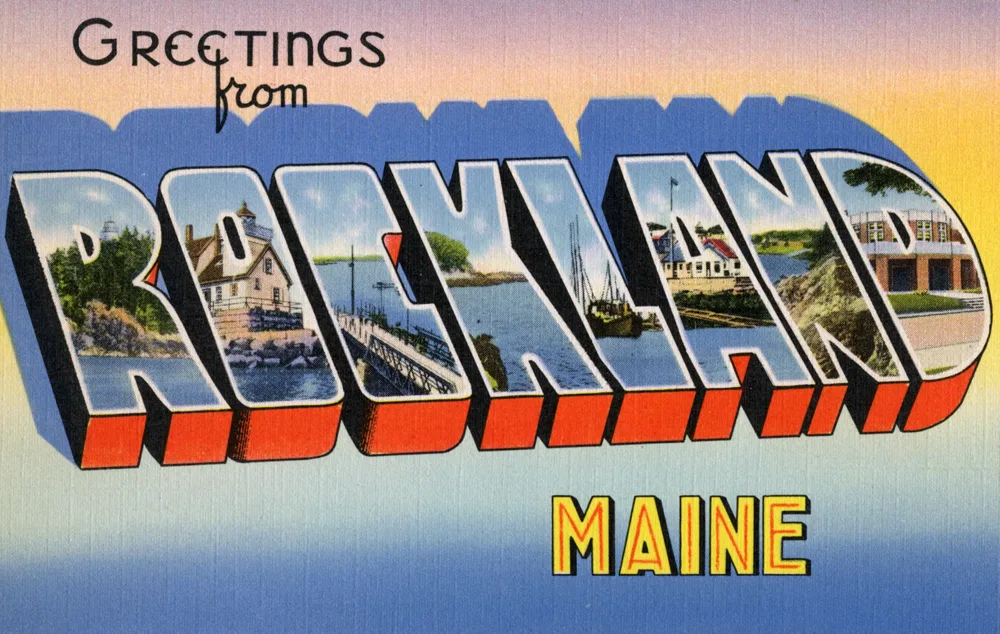
That folded, fractured coast is why towns like Rockland, Camden and Belfast feel like a chain of small harbors rather than one long beach strip. Each peninsula and bay creates its own village, its own waterfront and its own reason to come back. Rockland, sitting near the middle of the midcoast, has become one of the anchor points for that tradition of the repeat summer visit.
The geography explains a lot of it. Understanding how the coast was formed — and what that means for a week away — helps explain why so many families book the same town, sometimes the same rental, year after year. For readers who follow our Rockland News coverage, this piece looks at the other Rockland: the one on Maine's coast.
Why is Maine's coastline so complicated?
Glaciers built it. According to World Atlas, the entire state sat under the Laurentide Ice Sheet, which scoured the land down to bedrock and pressed the crust so far down that, when the ice melted, the sea flooded the lower river valleys. The result is what geographers call a ria coast — a drowned shoreline.
Instead of a smooth arc of beach, the water runs up old river valleys. That leaves a maze of peninsulas, coves and islands. For a visitor, the practical effect is simple: there is no single "Maine beach town." There are dozens of harbor towns, each tucked into its own fold of the coast, and each with a slightly different character. It takes years of summers to work through them, and many people never bother — they find one and stay loyal.
What makes the midcoast different from southern Maine?
The southern coast, closer to the New Hampshire line, is where the broad sandy beaches sit. The midcoast, where Rockland lies, is rockier, working-waterfront country. Harbors still host fishing boats alongside pleasure craft, and the towns grew up around what the sea provided rather than around tourism.
That working character is a large part of the pull. Visitors are not just looking at the water; they are watching a working harbor operate. The same glacial history that made the coast intricate also made the interior: Maine is the most forested state in the country, with roughly 89 percent tree cover, per World Atlas. A visitor can spend a morning on a saltwater harbor and an afternoon under deep woods, often within a short drive. Few vacation regions pack that contrast into so small an area.
Why do families return to the same town every year?
Habit is a stronger force in travel than novelty, and the midcoast rewards it. Because the coast is so broken up, each town is compact and walkable. A family that learns where to get breakfast, which launch to use and where the fog clears first has accumulated real local knowledge. Returning converts a trip into a tradition.
The rhythm of the seasons matters too. Summer is short in Maine and predictable in its shape — the same weeks, the same tides, the same small-town events. Readers of our Events coverage know how much a community calendar can anchor a season, and midcoast towns run on theirs. The repeat visitor is not chasing something new. They are keeping an appointment.
What does this mean for Rockland, New York readers?
Here in Rockland County, we know something about waterfront towns and seasonal rhythms ourselves. The Hudson's river towns run on their own summer calendars — see how the Haverstraw-Ossining ferry brings back weekend runs May 23 through October. The pull of a waterfront that changes with the season is the same instinct that sends people up the coast to Maine. Readers following this should also see Haverstraw-Ossining ferry brings back weekend runs May 23 through October.
Our analysis: the durable appeal of towns like Rockland, Maine, is not any single attraction. It is the structure of the coast itself — thousands of miles of shoreline folded into small, self-contained harbors — combined with a short, reliable summer that makes the annual return feel earned. That is a recipe for loyalty that no marketing campaign can manufacture.
Communities that keep their own records and stories also keep their pull on visitors. Towns that document their waterfronts, their buildings and their working history give repeat visitors something to connect with beyond the view — a pattern we explored in Local History Projects: How Communities Keep Their Archives Alive. This connects to our earlier piece, Local History Projects: How Communities Keep Their Archives Alive.
The takeaway for planning a midcoast trip
What the evidence establishes is this: Maine's coast is geographically exceptional, and the midcoast sits at its most intricate stretch. What remains unknown for any individual trip is the weather, the crowds and the fog — the variables no explainer can settle. What a first-time visitor can count on is variety: a different harbor, a different peninsula, a different view, often less than an hour apart.
And for repeat visitors, the count is simpler still. The town they return to has not moved. The harbor is where they left it, the tide still runs on schedule, and the summer, short as it is, comes back on time. That reliability, more than anything on a brochure, is what draws people back every year.