New to Rockland County? The fastest way to feel at home is to pick one local group and show up. A library card, a volunteer shift or a seat at a civic meeting will teach you more about your town in a month than a year of driving past strip malls.
This guide walks through the practical first steps: where to start, what each kind of group does, and what to expect when you walk in the door. Every town and village here runs its own version of the same civic machinery, so the steps below work in New City, Suffern, Nyack, Spring Valley and the rest.
Where should a new resident start?
Start with your public library. It is the one civic institution that asks nothing of you but a proof of address, and it hands back a surprising amount: meeting rooms, children's programs, tax-help sessions and a bulletin board that doubles as the town's real news feed. Librarians know which civic groups are active and who runs them. If you are unsure what your new town even offers, the library is where you find out.
Library funding is its own subject, and it varies by district. Our explainer on who pays for Rockland County's public libraries covers how the money works, which matters if you ever want to advocate for one at budget season.
Once you have the card, ask the reference desk two questions: which local organizations post here, and when does the town board meet. Those two answers will fill your calendar for a season.
How do neighborhood associations actually work?
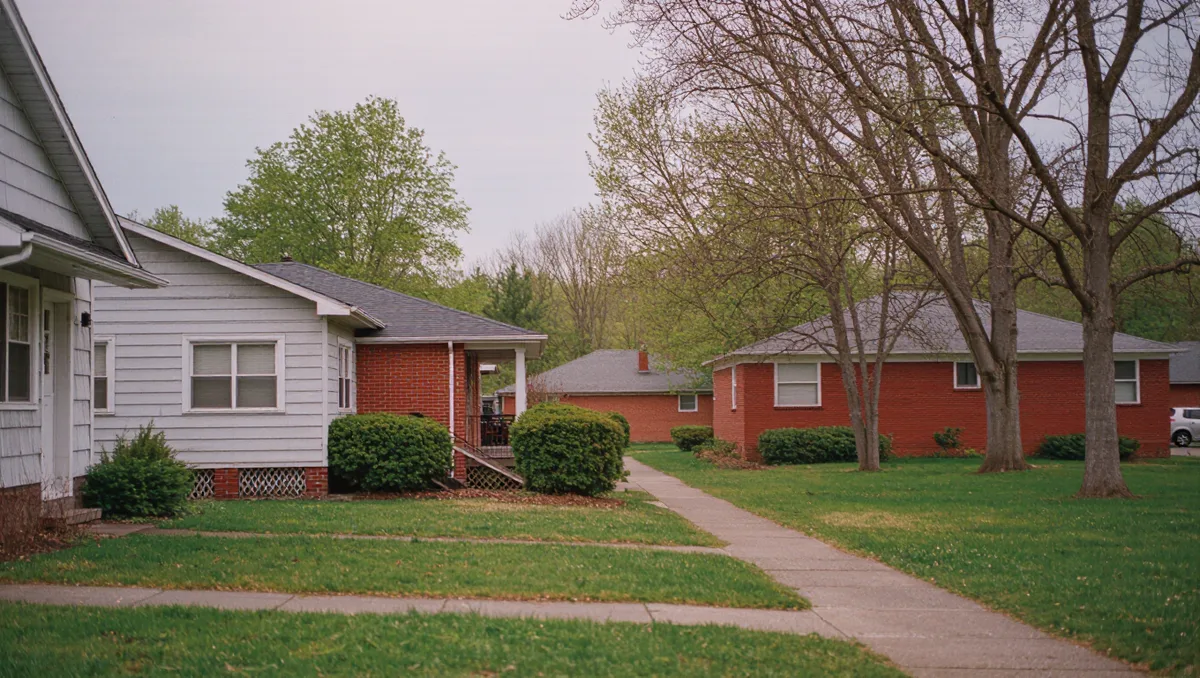
A neighborhood association is exactly what it sounds like: residents of a street or a few blocks who organize to handle shared concerns, from speeding traffic to a proposed development. In Rockland, these groups vary widely. Some hold monthly meetings and send officers to town board sessions. Others exist mainly as an email list that springs to life when an issue does.
Joining is usually as simple as attending a meeting or signing up for the mailing list. There is rarely a barrier beyond showing up. Our guide to neighborhood associations in Rockland County explains how streets organize and how town boards respond to them, which is useful to read before your first meeting so you know what the group can and cannot do.
One honest caution: a neighborhood association is not an arm of the town government. It is a group of your neighbors with opinions. Treat what you hear at a meeting as a starting point, and check anything important against the town's own documents.
Can I volunteer without a long-term commitment?
Yes, and it is worth doing precisely because it lets you sample civic life before you commit to anything. Food pantries across the county take volunteers for sorting, distribution and driving, and our piece on how Rockland's food pantries run describes where volunteers fit and what the work involves. A pantry shift is a fast way to meet people who have lived in town for decades.
Other low-commitment options include senior centers, which often need help with programs and rides, and community events such as farmers markets, where local vendors and civic groups share space. Our guide to Suffern's farmers market and the county's market season shows how those markets operate and who is behind them.
If you want something with more structure, historic societies and community centers are the middle ground. Historic societies welcome members who care about old houses and local records, and they often help owners research their buildings. Community centers, which our guide to Spring Valley's community centers covers in detail, run on a mix of staff and volunteers and book halls for everything from Scout meetings to elections. We covered a connected angle in Spring Valley community centers: which halls exist, who runs them, and how to book one.
What about the volunteer fire companies?
Rockland's fire protection depends heavily on volunteer companies, and joining one is the deepest form of civic involvement available here. It is also the most demanding: training hours, drills and call response are real obligations. Not every member carries a hose, though. Companies need drivers, administrative help and fundraising hands, so there are roles for people who cannot commit to interior firefighting.
Our explainer on how volunteer fire departments work and how to join one lays out the process, the training and the expectations. Read it before you visit a firehouse, so you arrive knowing what the membership asks of you.
Even if you never join, knowing which company covers your address is practical knowledge. It tells you who to thank at the pancake breakfast and who to call about the smoke detector program.
How do I get involved in local government itself?
Volunteer boards are the quiet backbone of town and village government. Planning boards, zoning boards, library boards, recreation advisory panels and conservation committees are staffed largely by appointed residents. Appointments happen through the town or village board, and openings are announced in public notices and at meetings.
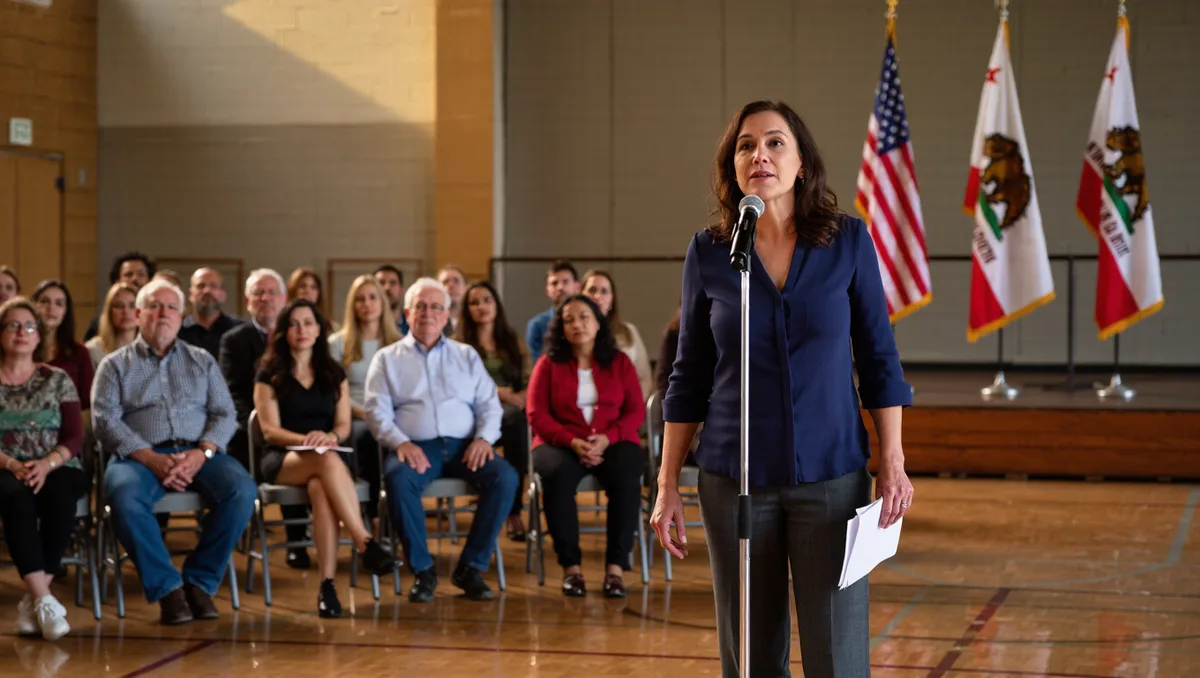
The entry step is the same everywhere: go to a meeting. Town board, village board and school board meetings are open under New York's Open Meetings Law, which requires that the public be allowed to attend. Agendas and minutes are posted by the clerk, and that paperwork, not the meeting itself, is where the real detail lives. Our primer on how Rockland County's towns and villages fit together explains which level of government handles which service, so you know whether your concern belongs to the town, the village or the county.
When you speak at a meeting, keep it short and specific. Boards respond better to a concrete request with an address attached than to a general complaint. And if you want a seat someday, say so to a board member; appointments are political in the plainest sense, which means being known helps.
What this means for your first ninety days
Here is a plain sequence that works. First month: get the library card, find your neighborhood association's next meeting, and locate your fire company. Second month: attend one town or village board meeting and read the agenda packet beforehand, even if you only skim it. Third month: pick one volunteer shift, at a pantry, a senior center or an event, and do it.
That is it. No paperwork, no fees, no vetting beyond showing up. Rockland's civic life runs on residents who arrived at some point and decided to be useful. The groups profiled across our community coverage all started the same way, with someone new to a room asking how they could help.
A last note on expectations. Civic groups here move at the speed of volunteers, which is to say slowly, and meetings can feel procedural if you expect drama. The payoff is different: within a few months you will know which clerk answers emails, which board handles your street's problem, and which neighbors will show up when it matters. That is what joining a community actually looks like.