Spring Valley runs on its community buildings. Between the village's Memorial Park facilities, the Martin Luther King Multi-Purpose Center, school auditoriums, and firehouse and civic halls, almost every club meeting, voter forum, youth basketball league, and memorial service in the village happens in one of a handful of rooms that residents book through the village or an owning organization.
The practical question for most residents is not what a community center is, but which one to call, what it costs, and who is in charge. Here is how Spring Valley's community spaces are organized, as of early 2026.
Who runs Spring Valley's community centers?
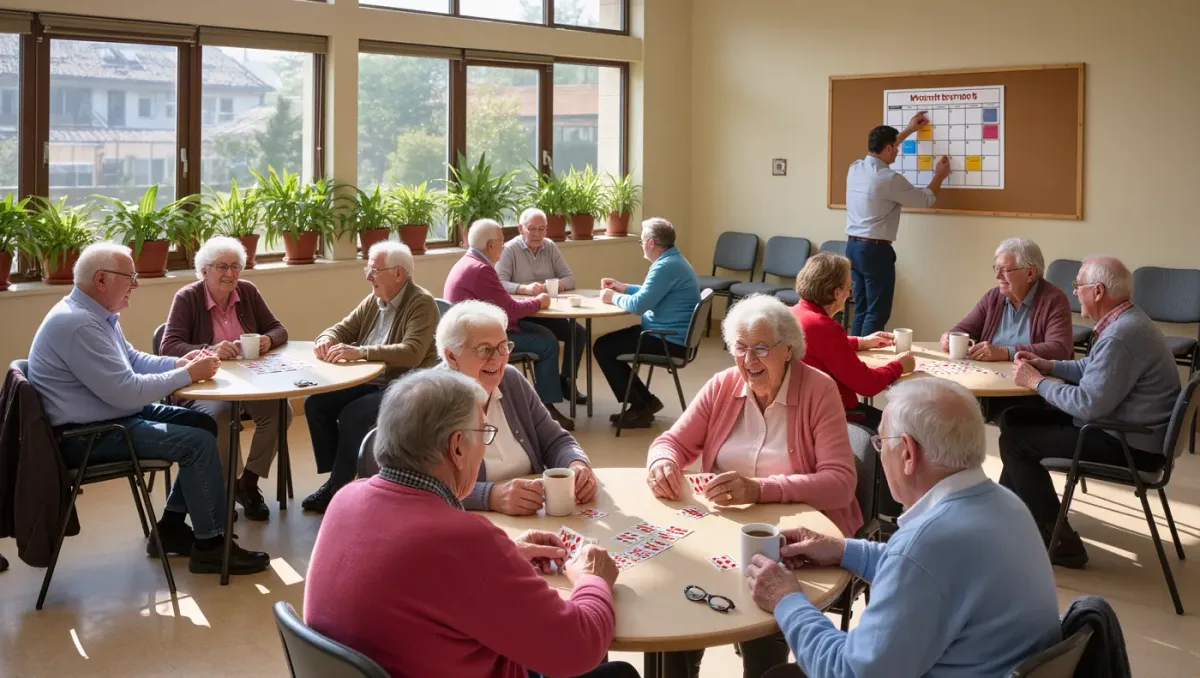
The Village of Spring Valley operates its own recreation and community facilities, with a village recreation department or designated staff handling scheduling and permits. The Martin Luther King Multi-Purpose Center on Bethune Boulevard serves as the village's most prominent community hub, hosting programs for seniors, youth activities, and civic meetings, and it anchors much of the village's organized public life.
Beyond village-run spaces, the Ramapo Central and East Ramapo school districts rent or make available auditoriums and gyms, and private halls — firehouses, fraternal lodges, churches — fill in the rest. Each type has its own booking process, which is why the first phone call matters more than the first web search.
What programs does the MLK center and village recreation offer?
Village-run programming follows the school-year calendar. Expect youth sports and summer programs, senior gatherings, and seasonal events around holidays. The MLK center's calendar mixes recreation with civic use: candidate forums, health screenings, community meetings after village board sessions, and cultural celebrations that reflect Spring Valley's large Haitian-American and Caribbean communities.
Programs change with funding cycles and staff capacity, so residents should confirm the current season's schedule through village hall rather than assuming last year's lineup repeats. Waiting lists for summer programs are common, and registration windows can be short.
Which spaces serve which purposes?
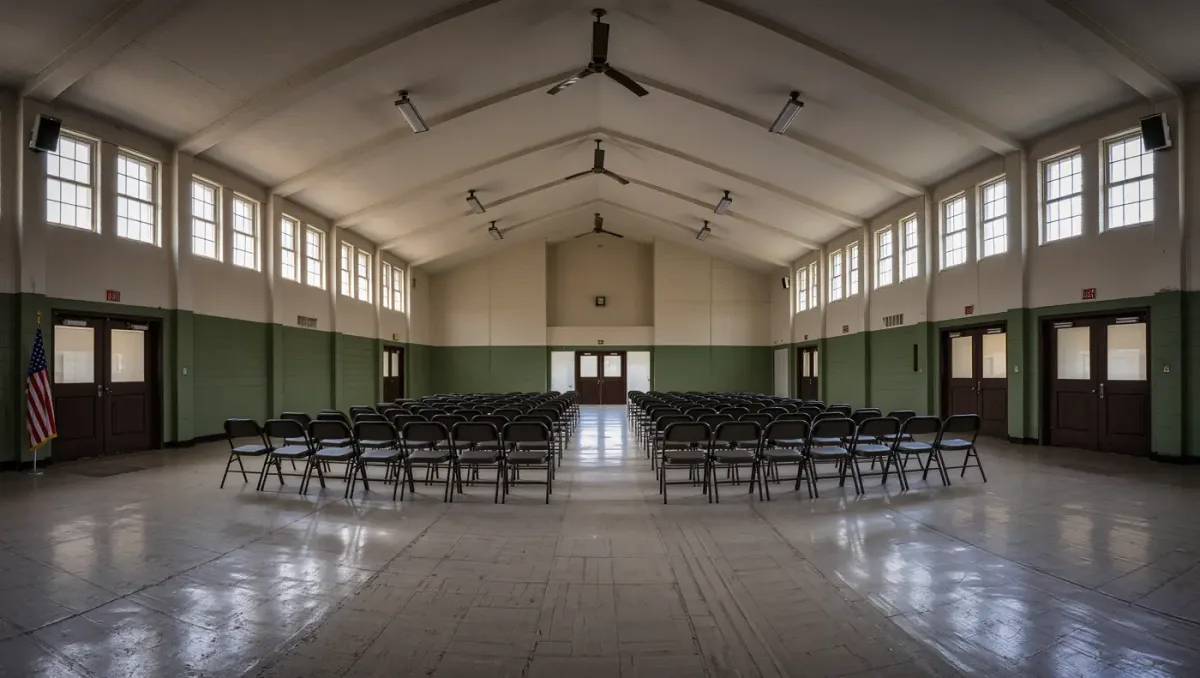
Match the room to the event before you fall in love with a calendar date. Youth sports and exercise classes need gym or field time, which the village recreation office schedules separately from meeting rooms. Senior programs run best in the daytime spaces with accessible parking and restrooms. Civic meetings and organizing groups do fine in a plain room with chairs and a table, which is the easiest and cheapest kind of booking to get. Large cultural celebrations and fundraisers need halls with kitchens, sound systems, and real capacity, and those are the bookings that require months of lead time.
Churches and fraternal halls fill much of that large-event demand in Spring Valley, and many will rent to community groups even when village space is full. Word of mouth through existing clubs is often faster than a search engine for finding them.
How do you book a hall or room?
For village facilities, the process runs through the village clerk or recreation office. Call or visit village hall, ask which spaces are available for your date, and request an application. The village will want to know the nature of the event, expected attendance, and setup needs. Some uses — anything with amplified music, alcohol, or a large crowd — trigger additional review or an insurance requirement.
For school district spaces, applications go through the district's facilities office under New York's rules for public use of school buildings. For private halls, it is a rental conversation with the organization itself. In every case, book early: weekend slots in spring and December go first.
What does it cost to rent a community space?
Costs vary by room, event type, and residency. Village facilities typically carry a modest fee for residents and a higher one for non-residents, with additional charges when staff must open, close, or clean the building. Nonprofit and civic groups often receive reduced rates. Rather than quoting numbers that shift with budget season, the reliable move is to request the current fee schedule in writing when you pick up the application.
Who can use the centers, and who decides?
Village-run facilities are public accommodations: any resident group can apply, and the village may not discriminate among lawful uses. That said, the board of trustees retains discretion over scheduling conflicts and conditions of use, and political events in public facilities follow specific rules about equal treatment. If a request is denied, the reason should be given in writing, and the village board can hear an appeal.
What should organizers check before booking?
Three things. First, capacity — the fire code occupancy limit is not negotiable and is smaller than most organizers assume. Second, insurance — many facilities require a certificate of liability or a special-event rider for private parties. Third, kitchen and equipment access — if your event depends on a working kitchen, projector, or sound system, confirm in writing that it is included and functional.
What maintenance and funding issues affect the centers?
Village community buildings depend on the annual budget, state grant lines, and sometimes county funding for capital work. Roof repairs, boiler replacements, and ADA accessibility upgrades are the recurring capital items that can close a room or a whole building for a season. Residents who depend on a particular facility do well to follow budget discussions at village board meetings, because a line item that disappears quietly in the fall usually shows up as a closed gym in the winter.
Grant-funded programming, especially for seniors and youth, also runs on renewal cycles. A program that ran free last year may charge a fee this year or pause altogether until its funding is confirmed — another reason to verify schedules each season rather than carrying old assumptions forward.
Why do these buildings matter to the village?
Spring Valley's halls and centers are where the village argues with itself in the best sense — budget questions, school board races, and neighborhood concerns all pass through the same rooms. When a facility closes for repairs or a program loses funding, the loss registers quickly across clubs, leagues, and congregations that share the calendar. Keeping these buildings open and booked is, in a practical sense, how the village holds its civic life together.