Florida voters approved a sweeping property tax cut on Tuesday, and the margin was thinner than the headline suggests. Amendment 3, which raises the homestead exemption from $50,000 to $150,000 in 2027 and then to $250,000 in 2028, cleared the 60% threshold with exactly 62%, according to WLRN. Two points of slack is not a mandate. It is a win that squeaked.
Why should Rockland County readers care about a Florida ballot measure? Because the argument that decided it — homeowner relief versus the services property taxes pay for — is the same argument every town board here faces every budget season, just compressed into one dramatic vote. The result is a live experiment in what happens when a community slashes its own revenue base on purpose. The early warnings came from the people who run the services.
What did Florida actually vote for?
Amendment 3 increases the homestead exemption — the portion of a home's value that is not taxed — in two steps: to $150,000 in 2027, then $250,000 in 2028. The measure was crafted by Gov. Ron DeSantis' office and passed the Florida Legislature during a special session in June. It went straight to the ballot without needing the governor's signature, per WLRN.
Notably, the Legislature modified DeSantis' original plan. He had recommended raising the exemption from $50,000 to $250,000 immediately. Lawmakers instead phased it in and carved school districts out of the larger exemption. That detail matters: even the amendment's own authors recognized that some parts of the tax base could not absorb the hit.
Who supported it — and who warned against it?
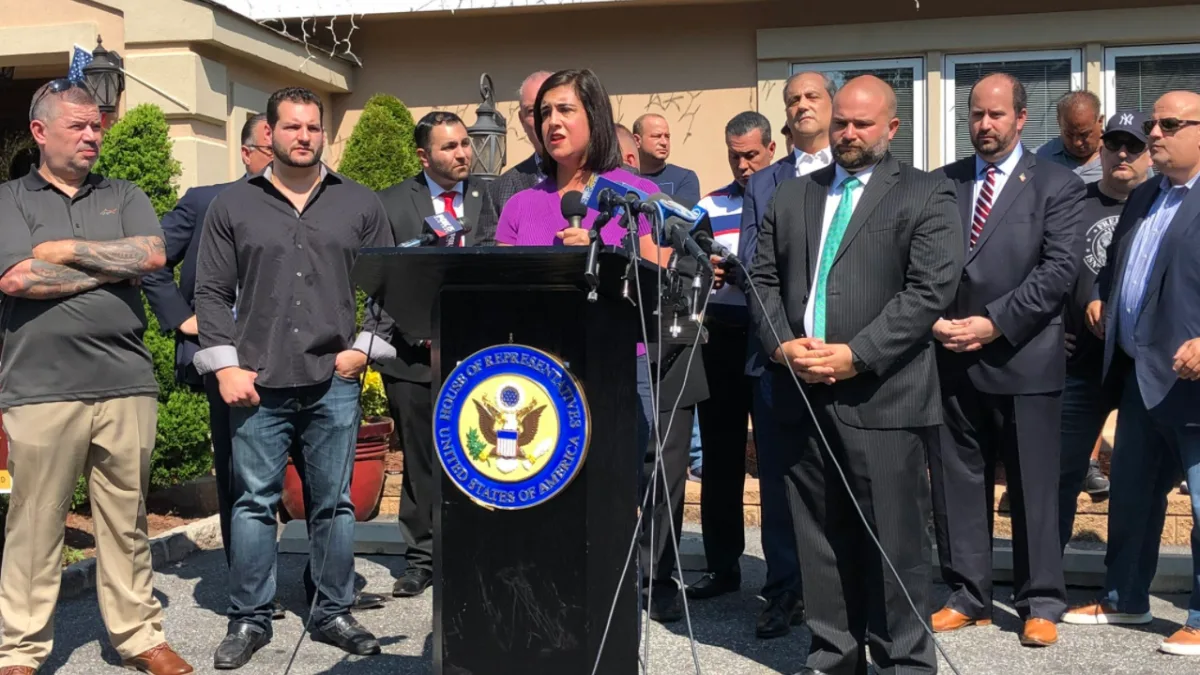
The coalition lines were unusual. The Republican Party of Florida and Florida Realtors backed the measure. DeSantis toured the state for more than a year arguing property tax bills had to come down as valuations surged. "Big win on Amendment 3 for Florida homeowners!" he posted on X on election night, according to WLRN.
But opposition included firefighters, police and emergency medical technicians, who joined local government officials in warning the cut would be too drastic for rural counties to absorb without hitting essential services. And several high-ranking Republicans broke with their own party's position. Senate President Ben Albritton and former Senate President Kathleen Passidomo both opposed it, cautioning it could slash services residents expect.
"My concern is that the amendment is a one-size-fits-all amendment, and every community is different," Passidomo told the News Service of Florida, as reported by WLRN. That is the expert read in one sentence: a uniform exemption hits uneven budgets unevenly.
What happens now that it passed?
Here is where the analysis gets uncomfortable for the amendment's backers. Jeff Brandes, a former Republican state senator who opposed the measure, said state leaders should be held accountable for putting it on the ballot. "Florida passed Amendment 3. The governor and the Legislature own what comes next. They have the responsibility to manage the fallout," he wrote on X, per WLRN.
Jackson Peel, communications director for the opposition group Save Our Services — No on 3, attributed the passage to voter anxiety over the economy, inflation and cost of living. "People are struggling and they need relief," he said in a statement. "Now, communities will be forced to respond to the budget challenges this will create." His group's core warning: service cuts or tax increases should not fall on working families and seniors.
The unresolved question — and the pack does not answer it — is how Florida local governments will fill the gap. The choices available to any local budget are familiar ones: cut services, raise other revenues, or both. Which path each community takes is the story to watch in 2027.
The lesson for Rockland's property tax debate
Rockland residents live inside a very different property tax structure, but the Florida vote is a useful mirror. When homeowners get relief, the money has to come from somewhere. In Florida, the groups predicting that somewhere was fire, police and EMS budgets included the people who staff them. We covered a connected angle in Those extra lines on your Rockland tax bill: water, lighting, fire, and sewer districts explained. We covered a connected angle in Those extra lines on your Rockland tax bill: water, lighting, fire, and sewer districts explained.
There is also a procedural lesson. Florida's amendment passed by direct statewide vote, which is why a two-point margin was enough to rewrite the tax base. Local budget decisions here move through the slower, more visible process of proposed budgets, public hearings and board votes — the sequence laid out in the Rockland County budget calendar. Slower, yes. But every step is one a resident can show up for, as this guide to town meetings and public hearings explains. Readers following this should also see How the Rockland County Legislature works: 17 seats, votes and public hearings.
What the evidence establishes: Florida homeowners will see their taxable value shrink in two steps starting in 2027, the measure passed narrowly, and its own state leaders acknowledged they own the consequences. What remains unknown: which services get cut, where, and whether the promised relief outlasts the fallout. Those answers will arrive one local budget at a time.