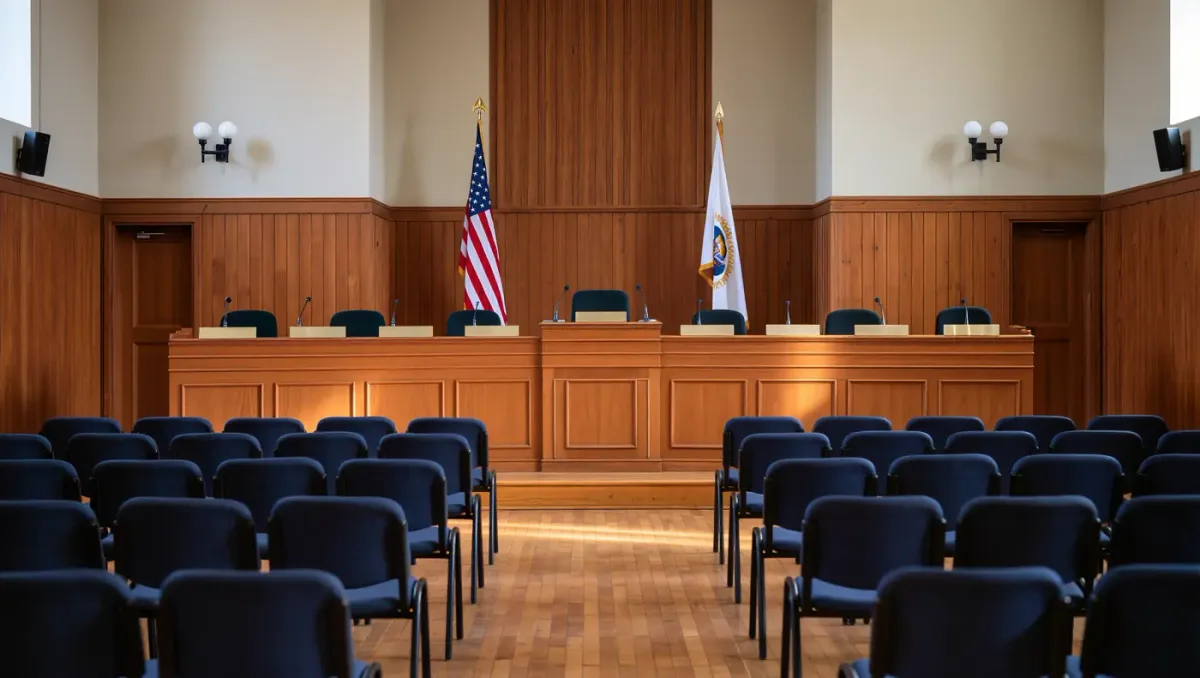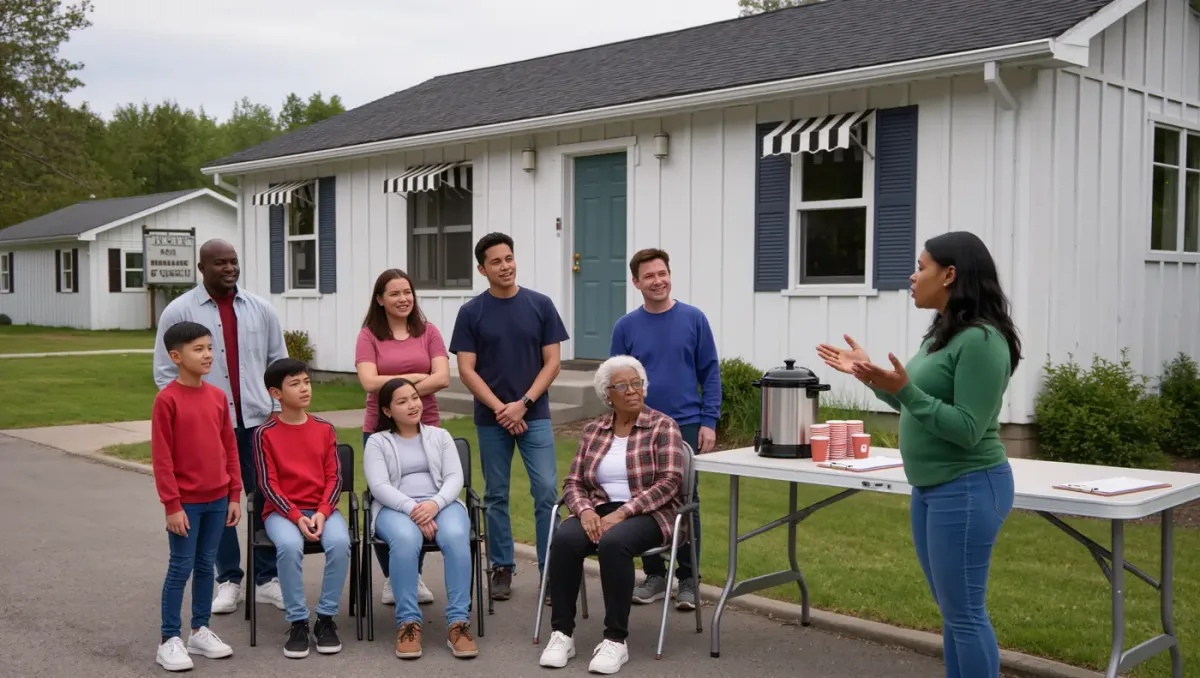
Most of what shapes daily life in Rockland County — a stop sign on a New City corner, a traffic study in Suffern, a preserved wooded lot in Clarkstown — starts with a handful of neighbors who showed up to a meeting and kept coming back. Neighborhood and civic associations are the county's quiet civic machinery, and they work the same way in every town: residents organize, they learn how local government actually makes decisions, and they show up where those decisions get made.
Here is how street and neighborhood associations form, what they can and cannot do, and how they connect to the town boards in Clarkstown, Ramapo, Orangetown, Haverstraw, and Stony Point.
What is a neighborhood association, exactly?
A neighborhood association is an organized group of residents from a defined area — a development, a hamlet, a street corridor, or a village neighborhood — that meets regularly and speaks collectively on local issues. Some are informal groups with a email list and a monthly meeting. Others incorporate as nonprofits, collect modest dues, and publish newsletters.
The key distinction: a neighborhood association is not a landlord and not a government. Unlike a homeowners association that enforces covenants, a neighborhood association advocates. It cannot fine anyone, and its power comes entirely from organized credibility — the ability to put thirty informed residents in a room where a decision is being made.
How does a group of neighbors actually organize one?
The pattern is consistent across the county. Someone identifies an issue — a zoning change, a closure, a traffic hazard — and canvasses a few blocks. An initial meeting sets the boundaries of the group and elects officers. From there, the practical steps repeat: agree on a mission that is broad enough to survive the first issue being resolved, set a regular meeting rhythm, and get the group on the town's notification lists so agendas arrive before decisions happen, not after.
Rockland's civic infrastructure helps here. County-level civic federations and hamlet associations in places like New City, Suffern, and the lake communities of Ramapo give new groups templates, meeting space, and introductions to officials who already know the drill.
How do associations work with town boards?
Town boards are the county's most consequential governments — they set zoning, approve site plans, and write the codes that govern nearly everything outside the villages. Associations engage them through formal channels: public comment periods at board meetings, written comments on environmental and zoning reviews, and seat-at-the-table relationships with the town supervisor and council members who represent their district.
The most effective associations in Rockland operate as early participants rather than late objectors. They review planning board and zoning board agendas weekly, comment during the review window when a project can still be modified, and build relationships with town staff who can answer technical questions. An association that first appears when a project is nearly approved has little leverage; one that commented in the first hearing usually gets changes.
What can associations realistically change?
A great deal, at the town and village level. Track records across the county include modified site plans, added buffers between commercial and residential parcels, traffic calming on cut-through streets, better park maintenance, preserved open space, and storefront design standards. Associations also shape personnel-level outcomes — supporting or opposing appointments — and budget priorities during town budget season.
What they cannot do is overrule a lawfully made decision. When an association loses an issue, the productive next step is usually a code or policy change aimed at the next application, not a relitigation of the last one.
Where do school boards and libraries fit in?
Rockland's school districts and library districts levy taxes and make decisions as large as any town board, and associations increasingly track them too. Budget votes in May, board elections, and facility decisions draw the same organized residents who follow zoning. A neighborhood group that attends its library board or school board once a quarter is often the only consistent public presence in the room, which gives it outsized visibility with those boards.
This crossover matters because so many quality-of-life issues — crossing guards, field access, school overcrowding tied to new housing — span two governments. Associations that follow an issue across boards are the only actors in the room with the full picture.
How do village-level civic groups differ?
In villages like Nyack, Haverstraw, and Spring Valley, the civic layer sits closer to the village board, and issues are more immediate: parking, policing, housing conditions, downtown development. Village associations tend to work with trustees directly and often partner with school districts and libraries, since the same households move through all three institutions.
Town-level associations in hamlets like New City or Thiells deal more with zoning maps, stormwater, and development scale, because hamlets have no village board of their own and depend on town government entirely.
What makes a civic group last past its first issue?
Three habits separate the associations that persist from the ones that fold once the initial fight ends. They keep a fixed meeting schedule, even in quiet months, so the group exists before the next crisis rather than scrambling to form during one. They distribute real work — agenda watching, treasurer, newsletter — so no single burned-out volunteer holds the group together. And they record decisions in writing, so institutional memory survives turnover. Groups that follow this pattern in Rockland have stayed active across decades and multiple waves of new residents.
How can a resident plug in this month?
Find the existing association first — most neighborhoods already have one, and a call to the town or village clerk's office will surface it. If none exists, attend one town board or village board meeting to learn the rhythm, then start the group around the next issue that affects your street. Bring neighbors, take notes, and ask one clear question in public comment.
Civic life in Rockland rewards persistence more than volume. The associations that get things done are rarely loud; they are simply still there, meeting after meeting, when the decision finally comes up for a vote.