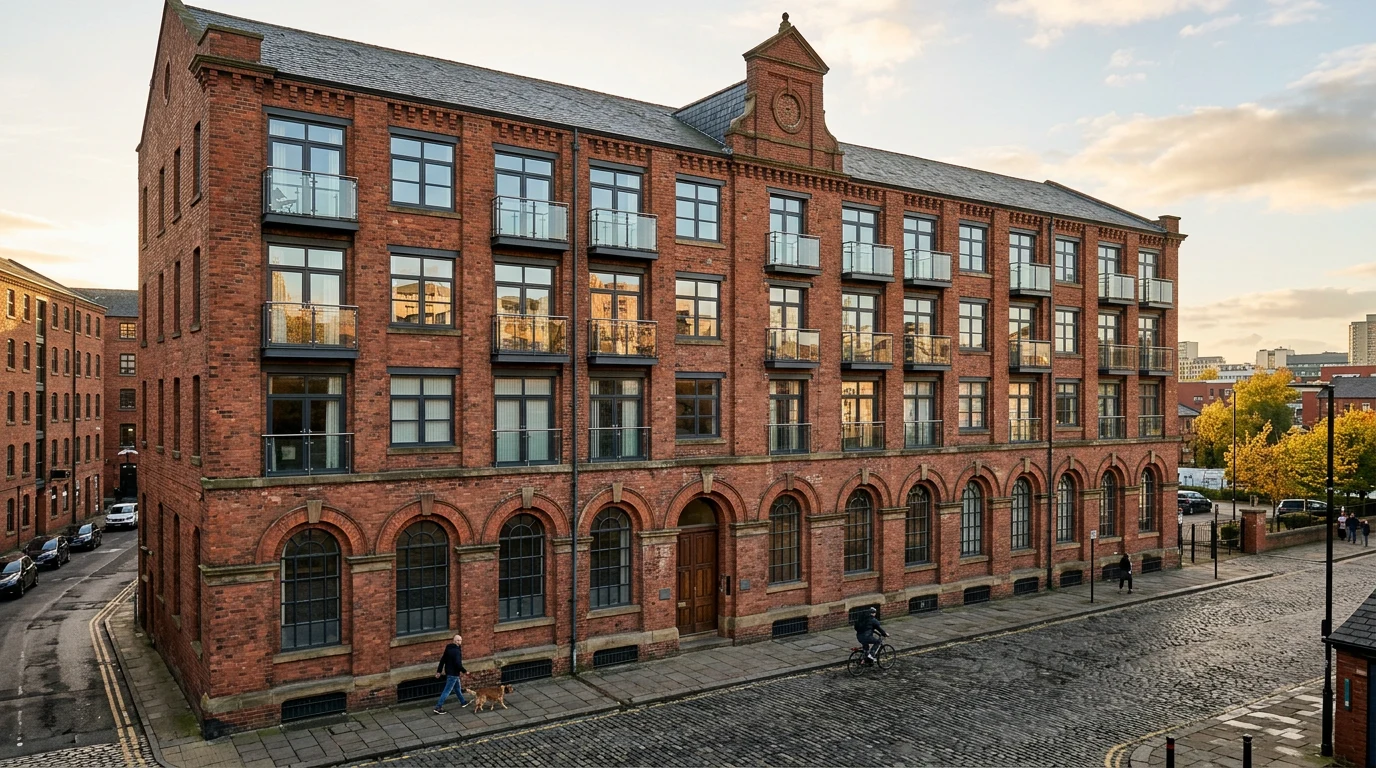
Rockland County is full of old buildings — Dutch colonial farmhouses in Clarkstown, brick main streets in Haverstraw village, stone cottages in Ramapo — and somebody has to keep track of them. That job falls largely to a network of historical societies: a county-level organization headquartered in New City, plus town and village societies in communities such as Orangetown, Ramapo, Clarkstown, Haverstraw and Stony Point. Most run on volunteers, small budgets and a steady stream of questions from residents. Here is what they do, and what they can do for you.
What does a historical society actually do?
Day to day, the work falls into four buckets:
- Collecting and preserving archives: photographs, maps, deeds, diaries, church registers, business records and newspapers that document the county's past
- Operating museums and historic house sites, often in buildings the society itself saved from demolition
- Running public programs: lectures, walking tours, school visits and exhibits that keep local history in front of residents
- Answering research requests from homeowners, students, authors and reporters
Some societies also take on advocacy. When a historic structure in a village downtown is threatened by redevelopment, local historians are often the ones who document the building's significance and speak at public hearings. They rarely have legal power to stop anything, but their research gives planning boards and preservation commissions something to weigh.
What's in the archives, and can you use them?
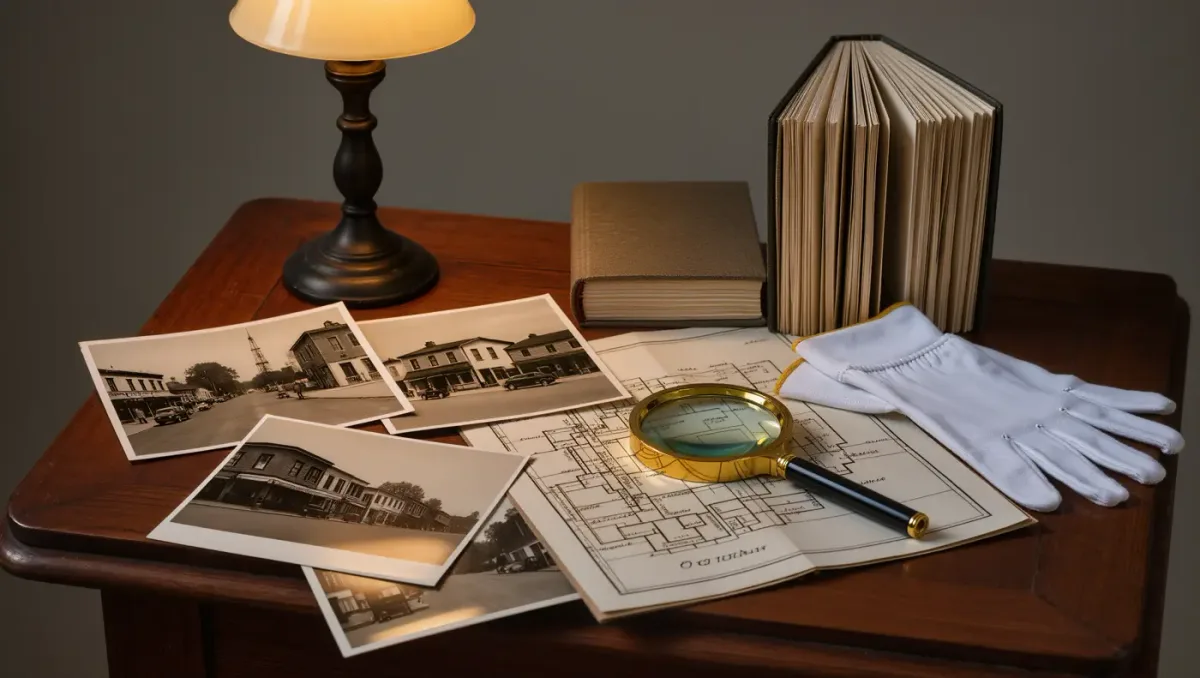
Yes — that is the point. Society collections typically include Sanborn fire insurance maps, aerial photographs, property files organized by address, family papers, cemetery records and indexed clippings from local newspapers. A county-level society serves researchers from all five towns, while village and town societies hold the deep local material: the photographs of a particular Main Street, the ledgers of a particular church, the files on a particular gristmill.
Access usually works by appointment, and many societies answer email questions from their collections for free or a modest fee. If you are researching a house, a family or a business, calling the society for the relevant community first will save weeks of blind searching.
How can they help if you own an old house?
This is one of the most practical services the societies offer, and most homeowners do not know it exists. Bring a society your address and they can often pull a chain of ownership, historic maps showing when your lot was first built on, and photographs of your street from earlier decades. For owners in designated historic districts, or owners pursuing local historic designation, that documentation is exactly what application forms ask for.
Societies also function as guides to the broader system. They can explain the difference between national listing on the State and National Registers of Historic Places — which is largely honorary and regulatory in limited ways — and local historic district or landmark designation, which carries real review requirements for exterior changes. They can point owners toward state and federal rehabilitation tax credit programs for income-producing properties, and toward the state agency that administers them. They generally do not do the legal or architectural work for you, but they know who does.
Do they have power over what you do to your house?
No. A historical society in New York is a private nonprofit, not a government body. It cannot deny your permit, fine you for replacing windows or block a sale. Legal authority over historic properties sits with local preservation commissions and zoning boards where municipalities have created them, and with state and federal agencies in specific regulatory contexts.
What societies do have is standing. Their research appears in hearings, their letters land in board minutes, and their knowledge of a building's history can shape how a village treats it. Homeowners who engage a society early — before an addition, a demolition or a designation request — usually find the process smoother than homeowners who treat the local historians as adversaries.
Where does Rockland's history actually live?
The county's historical material is distributed rather than centralized. The county-level society in New City anchors research with a broad collection and long-running public programs, while town and village groups hold the hyperlocal record: Haverstraw's brickmaking-era materials, Orangetown's Revolutionary-era sites and documents, the village collections in Nyack and Suffern, and cemetery and church records across the five towns. Municipal historians, a separate county-sanctioned role in each town, add another layer of official knowledge and often work hand in hand with the societies.
For a researcher, that means two things. First, expect to visit or contact more than one organization to cover a single topic. Second, treat local librarians as part of the network — the New City, Nyack and Haverstraw library local-history rooms hold material that duplicates and extends what the societies keep, and the librarians know which society holds what.
How do the societies survive?
On membership dues, donations, grants, gift shop sales and volunteer labor. That fragility is a running theme in local preservation: collections need climate control, museums need roofs, and every society competes for the same grant cycles. Joining your town or village society costs relatively little and directly funds the archive you may need someday.
How to get started
If you have a research question, a house mystery or boxes of old photographs from an attic in Spring Valley or Valley Cottage, the entry points are simple: find the society for your community, email or call, and be specific about addresses and names. The county-level society in New City can route you if you are not sure which group covers your area. For a county this layered — river towns, brickmaking villages, Revolutionary and Revolutionary-era sites — the archive exists. It just runs on volunteers, and it answers faster when residents treat it as theirs.