Food pantries in Rockland County run on a simple model: donated and purchased food comes in, volunteers sort it, and neighbors in Haverstraw, Spring Valley, Nyack, Suffern, New City, and every other community take home groceries at no cost. No one has to explain why they need help to walk through the door of most pantries, and no one is turned away for living in the wrong town.
Rockland's pantry network includes large operations like People to People in Nanuet, pantry programs run out of churches and community centers, and mobile distributions that reach villages without a fixed site. Here is how the system works, who can use it, and what volunteering actually involves.
How does food get to a Rockland County pantry?
Pantries draw from three streams. Regional food banks, connected to the Feeding America network, supply bulk staples — rice, canned vegetables, pasta, protein — at little or no cost. Local donors add the rest: supermarket rescue programs pass along unsold but safe food, and community food drives, especially around the November and December holidays, fill shelves with packaged goods.
Some larger pantries also buy directly, using cash donations to fill gaps. Fresh produce and dairy are the hardest categories to keep stocked, which is why refrigeration capacity separates a big pantry from a small one.
Where are the pantries in Rockland County?
They are spread across all five towns. People to People operates from Nanuet and reaches households countywide. Church-based pantries run in Spring Valley, Haverstraw village, Valley Cottage, and Pearl River, among other places. Community centers and civic halls host distribution days, and mobile pantry trucks bring groceries into neighborhoods where no fixed site exists. The map shifts from year to year as programs open, merge, or close, which is why the county and 211 lists are worth checking rather than relying on an old flyer.
Who can visit a pantry, and what do they need to bring?
Most Rockland pantries serve anyone who lives in the county, though some church-run programs limit their service area to their immediate neighborhood. In practice, callers should ask one question: "Do you serve my ZIP code?" If the answer is no, the pantry will usually point to one that does.
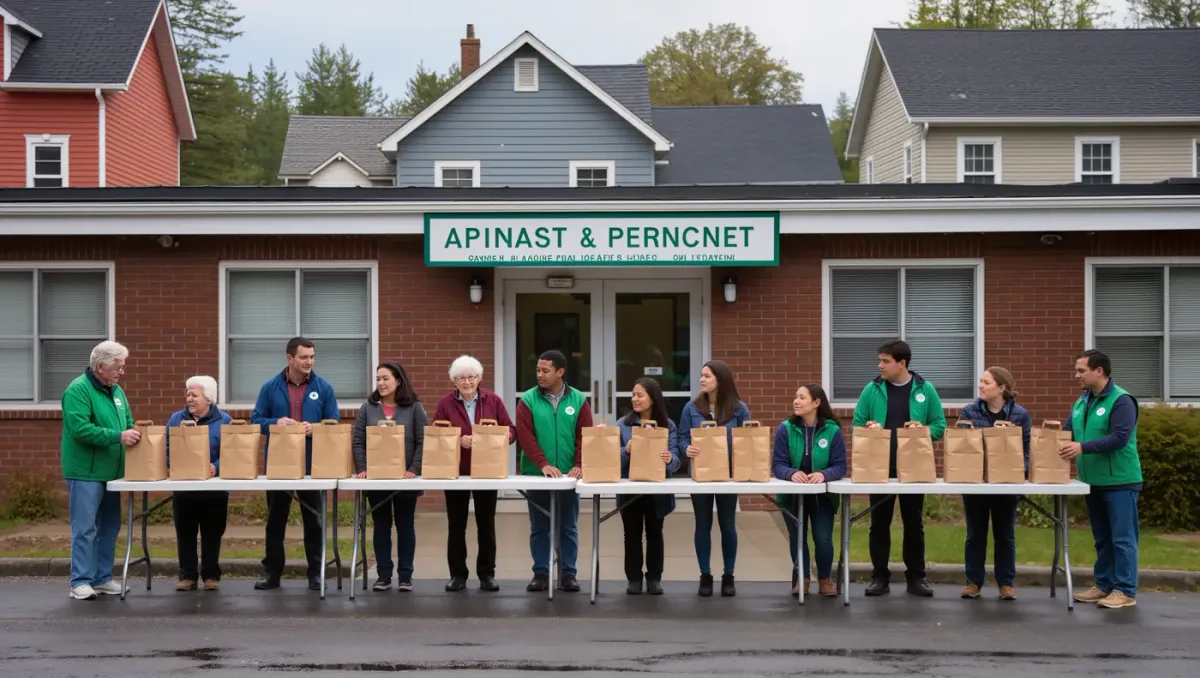
Requirements are lighter than most people expect. Many pantries ask for a name, address, and household size the first time, and some request proof of residence. Photo ID is rarely required. Income documentation is generally not demanded, because pantries operate on self-attested need. Families typically visit on a weekly or biweekly schedule, and several pantries now run no-contact drive-through or home-delivery models for seniors and residents without transportation.
What is the difference between a food pantry and a food bank?
A food bank is the wholesale level of the system — it warehouses and distributes large quantities to pantries and soup kitchens. A food pantry is the retail level, the place a family visits directly. In Rockland, People to People functions as both the county's largest pantry and a distributor of goods to smaller programs, while church and community-center pantries handle direct visits in their villages.
Soup kitchens and hot-meal sites complete the picture, serving prepared meals in Spring Valley, Haverstraw, and other communities for residents who need a meal the same day rather than groceries for the week.
How does a typical pantry day work?
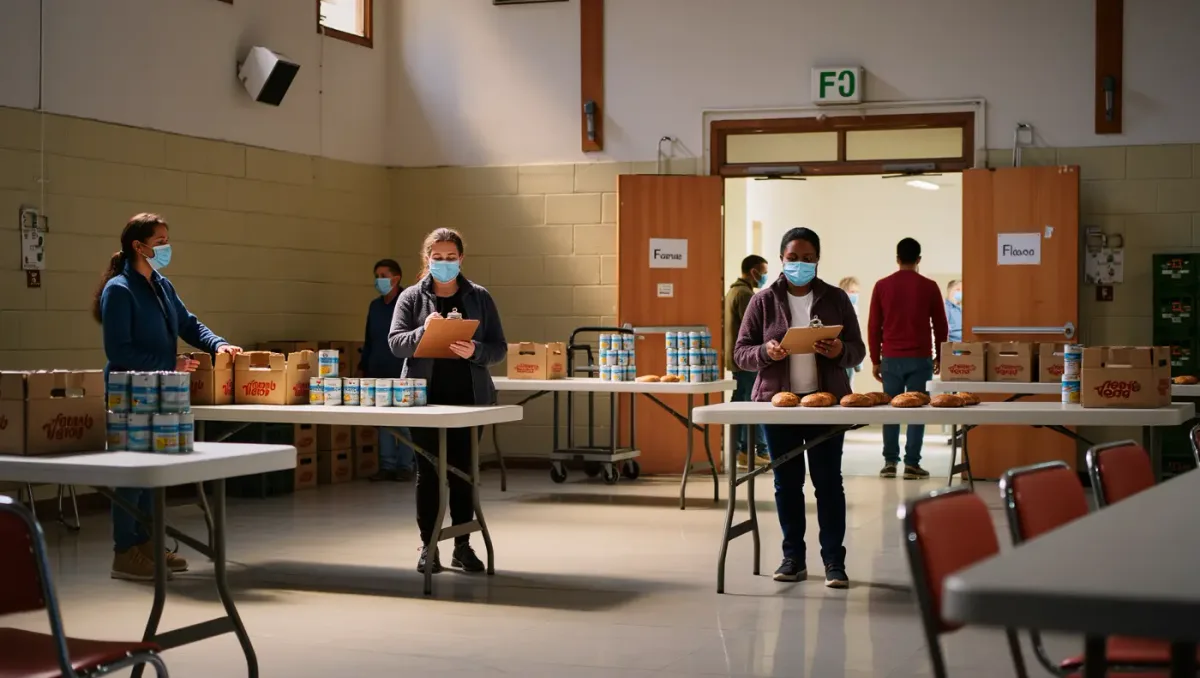
Most pantries follow the same rhythm. Volunteers arrive early to sort deliveries and pack bags or boxes by household size. When doors open, visitors check in, sometimes with a numbered card, and either receive a prepacked bag or walk a choice line where they pick items themselves. The choice model has spread across the county because it reduces waste — families take what they will actually eat — and because it preserves dignity at a stop nobody plans on making.
When is demand highest?
Holiday seasons bring the biggest donation waves but not the biggest need. Pantry operators consistently report that summer is the hardest stretch, because children who relied on school meals lose that source when classes end. Rent increases, utility shutoffs, and job losses drive demand the rest of the year. Since the pandemic, many county pantries have reported serving more first-time visitors — working households whose paychecks no longer cover the grocery bill.
How can someone get help right now?
Start with Rockland County's Department of Social Services or the county's 211 helpline, both of which maintain current pantry lists. Calling ahead matters: hours change, and some pantries require an appointment for a first visit. If transportation is the barrier, ask about the mobile pantry schedule and home-delivery options in your village.
What should a first-time visitor expect?
Expect a short intake, a respectful process, and enough groceries for several days. Nobody should feel they need to justify their situation; volunteers ask household size for packing purposes, not for judgment. If a pantry is out of something — a common occurrence with infant formula and halal or kosher items — staff can usually name another site in the county that has it. Rockland's network is small enough that pantry operators know each other and refer across village lines routinely.
How can residents volunteer or donate?
Volunteering falls into four jobs: sorting donations, packing boxes or bags, distributing on pantry days, and driving. Sorting and packing are the easiest entry points and usually accept drop-in help, though large organizations prefer a scheduled shift. Drivers are chronically in short supply, particularly for morning supermarket-rescue pickups.
For donors, money outperforms canned goods. Pantries buy wholesale, so a dollar of cash typically moves more food than a dollar's worth of donated cans — and cash lets a pantry buy fresh milk, eggs, and produce. Before running a food drive, call the pantry and ask what is actually on its needs list; the answer is rarely the same twice.