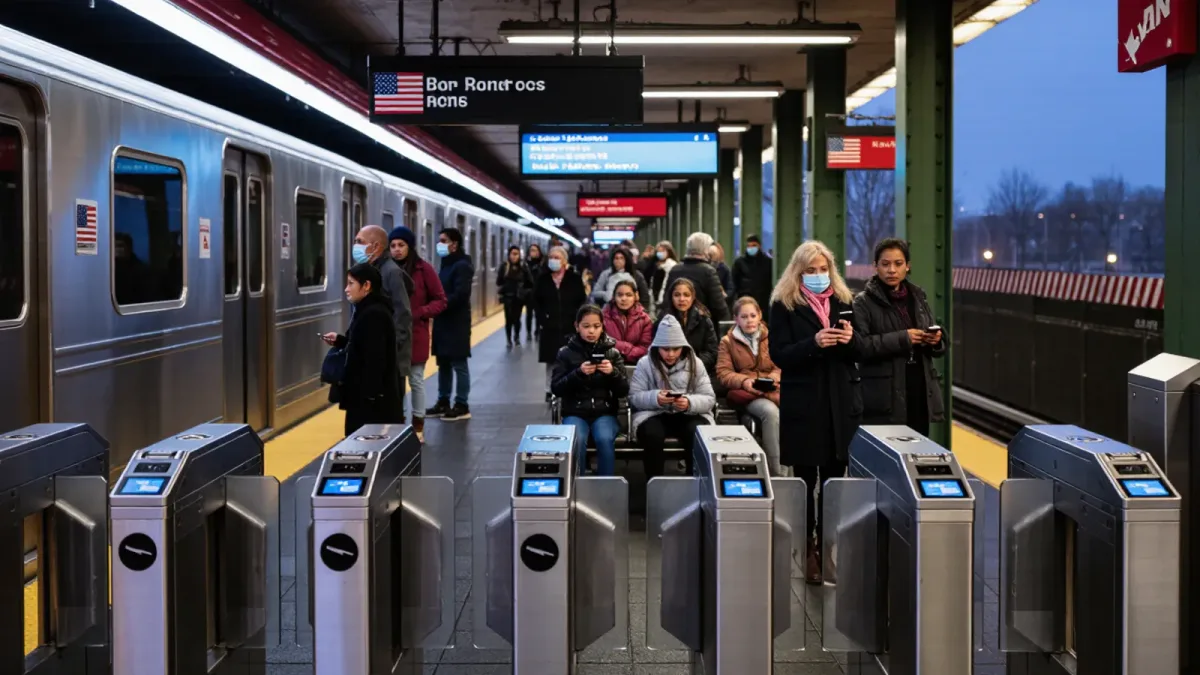
Riding the rails or driving the bridge out of Rockland got a little pricier this year. The MTA Board adopted a package of fare and toll increases that took effect January 4, 2026, per the MTA, and the changes reach well past the five boroughs: Metro-North riders at many Lower Hudson Valley stations, including the Pascack Valley and Port Jervis lines that serve Rockland, saw fare increases under the plan.
The January package raised the base subway and bus fare to about $3, lifted express bus fares from $7 to $7.25, and pushed reduced fare up from $1.45 to $1.50, per the MTA's announcement. MTA Bridges and Tunnels tolls rose roughly 7.5 percent, in the range of 20 to 60 cents per crossing. For west-of-Hudson commuters, the more familiar number is at the railroad ticket window: per lohud's October 2025 coverage of the MTA board's vote, many Lower Hudson Valley stations saw one-way fare increases, with city-zone rides capped at $7.25 peak and $5.25 off-peak under CityTicket parity.
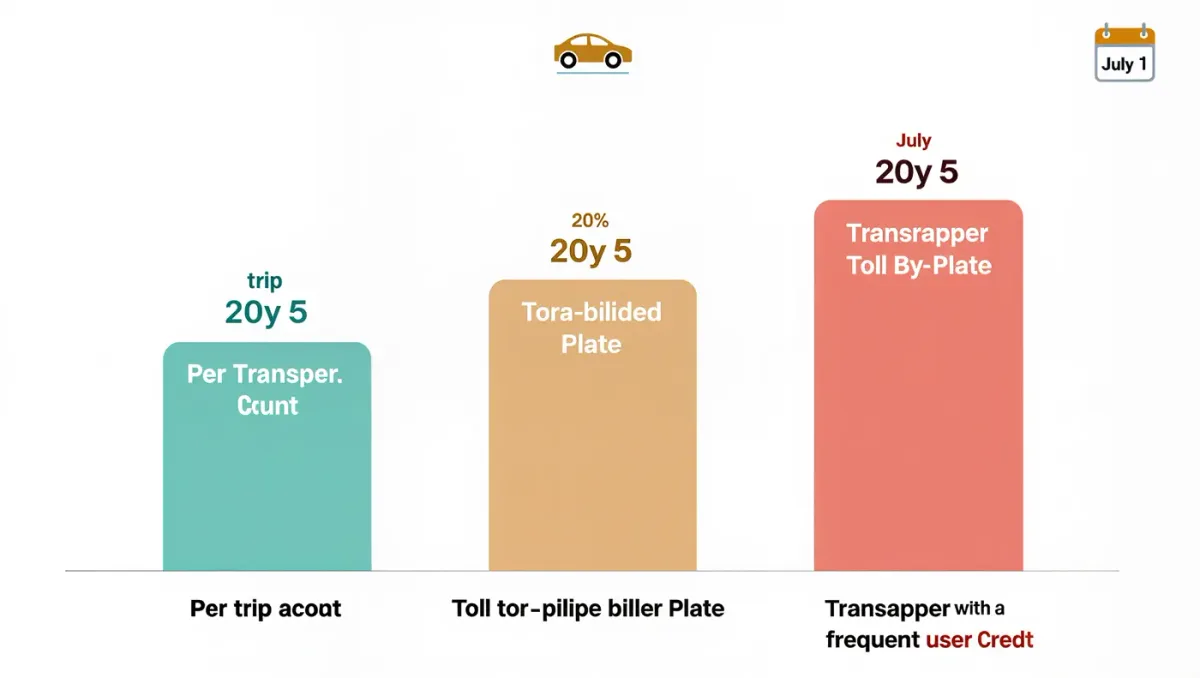
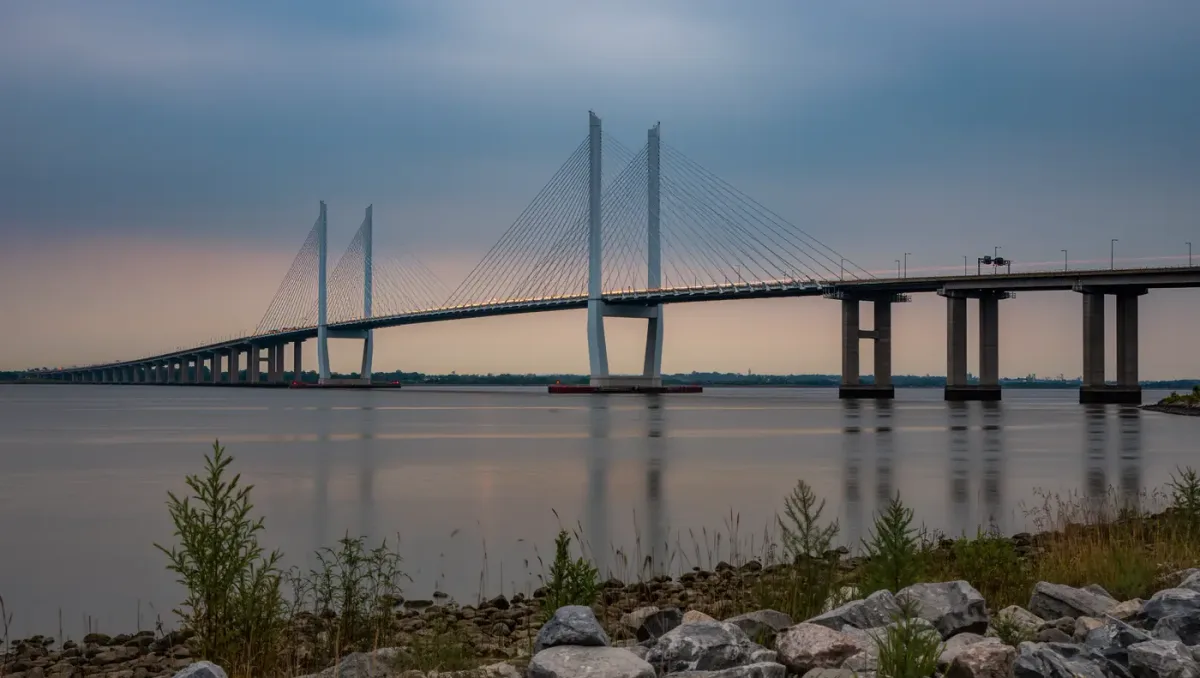
The Cuomo Bridge is a separate bill from a separate agency. The Gov. Mario M. Cuomo Bridge is run by the state Thruway Authority, not the MTA, and its tolls are on a phased schedule: a 50-cent annual increase to the base New York E-ZPass rate that began in 2024 continues each year through 2027, per the Thruway Authority. As of January 1, 2026, the car toll stands at about $7.25 with New York E-ZPass, versus roughly $12.69 for Tolls by Mail — the discount for having the transponder is now more than $5 per crossing.
What this means for Rockland County: commuters who cross the Hudson or ride into the city are stacking increases from two agencies in the same year. For a Tuxedo-to-Grand Central style trip on the Port Jervis line, or a drive from Clarkstown to a Westchester job, the practical advice is unchanged but more valuable than ever — a New York E-ZPass saves real money at the bridge, and off-peak or CityTicket options matter on the railroad. With the Thruway schedule locked through 2027, drivers can expect one more 50-cent step before the plan runs out.