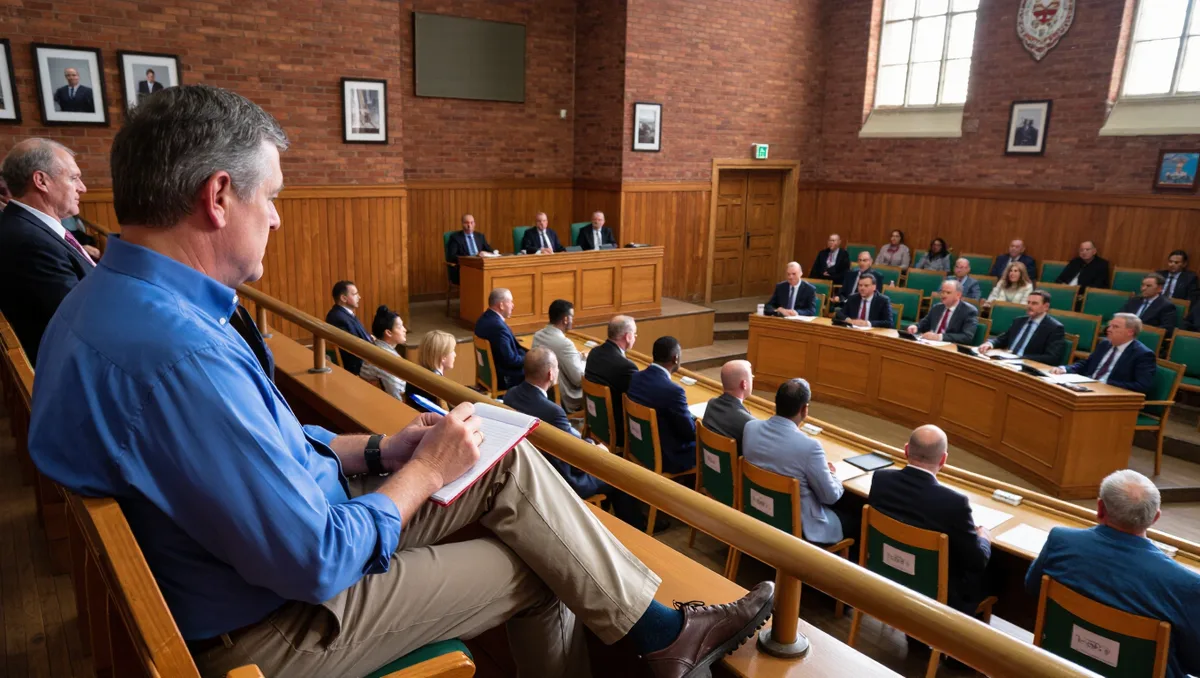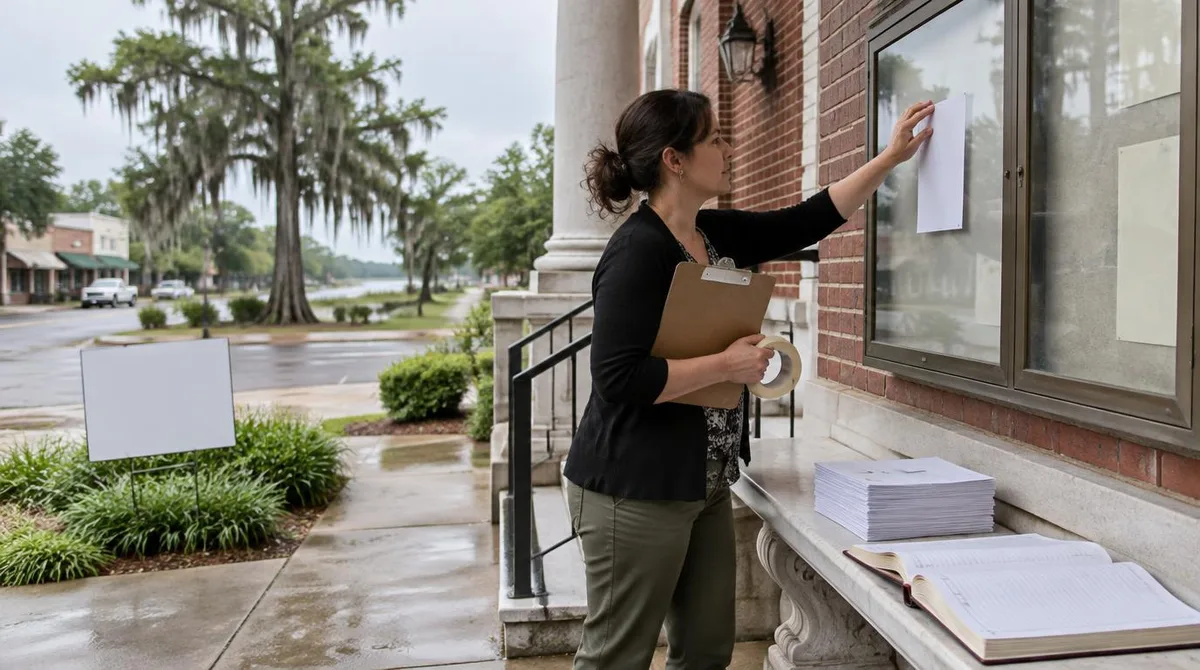
On Nov. 3, Louisiana voters will decide 10 proposed constitutional amendments. The second one, Amendment 2, deals with local government authority over property tax rates. It would give local taxing authorities more flexibility in deciding when to increase property tax rates back to a previously authorized maximum, according to KALB in Alexandria, La.
Here is the short version of what a yes vote does, per KALB's summary: it lets a local government keep a lower rate longer without permanently losing the ability to return to that earlier, higher maximum. A no vote keeps the existing deadline, which KALB describes as tied to the next property reassessment cycle. The amendment would not automatically raise property taxes, but it could affect how local governments adjust rates in future years.
The mechanics matter if you want to follow the debate, and they translate into a short checklist any voter can work through before casting a ballot. The steps below stay within what the reporting on the amendment actually establishes.
What does Amendment 2 actually change?
According to KALB, under current rules local taxing authorities have a limited window, tied to property reassessments, to restore rates after lowering them. That is the deadline a no vote preserves. If a government misses that window, the ability to go back to the previously authorized maximum is lost.
A yes vote removes that pressure. Local taxing authorities could maintain lower rates longer and still retain the ability to return to the previously authorized maximum rate later. In plain terms: the option to raise rates back up would not expire at the next reassessment.
One thing the amendment does not do is raise anyone's taxes on its own. KALB's reporting states plainly that the amendment would not automatically raise property taxes. The change is about timing and flexibility, not a mandated increase.
How should a voter think it through?
The amendment presents a trade-off between two ideas, and the reporting lays out both sides cleanly. A voter can weigh them in a few steps:
- Start with the current rule. Today, the window to restore a lowered rate is tied to the property reassessment cycle. If the window closes, the lower maximum sticks.
- Then consider what a yes vote allows. Local governments could hold rates down longer without permanently giving up the higher, previously authorized maximum.
- Then consider the counterweight. That flexibility means a future board could return to the higher rate after the current deadline would have locked it out.
Neither outcome is automatic. The amendment changes what options local governments have; it does not decide what any particular government will do with them.
What should you check about your own local government?
Because the amendment affects future rate decisions rather than current bills, the useful homework is about your own taxing authorities. The reporting on Amendment 2 does not name specific parishes, municipalities, or rates, so the practical move is to look at the bodies that set your property tax rate and ask how they have used the flexibility at stake.
Voters elsewhere in the country often face versions of the same question: how much discretion should a local board have over a rate it has already lowered? Readers who want to explore related topics can see how Rockland County's sales tax works in Rockland County's sales tax, explained, and how a bill becomes a law in New York.
Where does this fit in the ballot?
Amendment 2 is one of 10 proposed constitutional amendments on Louisiana's Nov. 3 ballot. KALB is taking a look at each amendment that week, and the station links to a full list of the amendments with a breakdown of what they mean. A voter who wants the complete picture should read the full list rather than judging this amendment in isolation, since constitutional amendments often interact.
The broader lesson for any voter, in any state, is the same one this amendment illustrates: read the ballot language for what it changes procedurally, not just what it promises. An amendment about "authority over property tax rates" is really a question about deadlines and flexibility. Knowing which one you are voting on is most of the work.
What happens after the vote?
If the amendment passes, local taxing authorities gain the flexibility the yes column describes: lower rates can be maintained longer without permanently losing access to the previously authorized maximum. If it fails, the existing deadline tied to the next property reassessment cycle stays in place. Either way, the immediate effect on a property tax bill is nothing, because the amendment does not automatically raise taxes. This connects to our earlier piece, How a bill becomes a law in New York, explained for Rockland readers. This connects to our earlier piece, How a bill becomes a law in New York, explained for Rockland readers.
The longer-term effect depends on decisions local governments make in future years, which is exactly why the amendment is on the ballot at all. What remains unknown from the available reporting is how any specific parish or municipality would use the new flexibility. That is a question for local coverage after the vote, not something the amendment text settles.