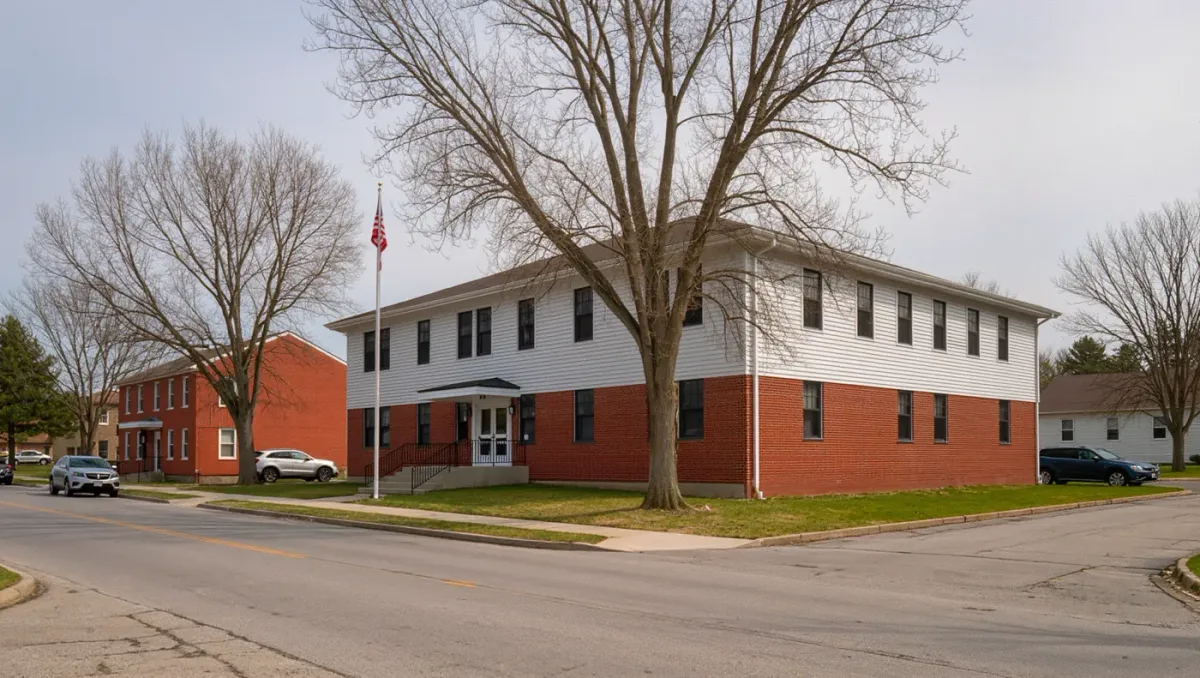
The Clarkstown town board is the governing body of the town, and it votes on most of what shapes daily life in New City, Nanuet, Valley Cottage, West Nyack and the hamlets in between: zoning changes, the town budget, road contracts and the rules for parks and building. It is made up of the town supervisor, who chairs meetings and votes, and four council members. Everything the board decides happens in a public meeting, and the paper trail — agendas, minutes, resolutions — is posted on the town's website.
What the board decides
Zoning is the board's most consequential power. Changes to the town zoning map, amendments to zoning text and approvals tied to Planned Unit Development districts all come before the board. When a shopping center, warehouse or housing proposal needs a rezoning, this is the room where it is decided — separate from the planning board and zoning board of appeals, which handle subdivisions and variance requests under the rules the board sets.
The board also adopts the annual town budget, which funds the highway department, police, parks and building department, and it sets the town portion of your property tax rate. Contracts follow a similar path: paving jobs, equipment purchases and professional service agreements are bid, then voted on as resolutions at a public meeting.
How a typical meeting runs
Clarkstown's board holds regular meetings on a published schedule, usually in the town hall auditorium, with work sessions beforehand where items are discussed in more detail. A typical agenda moves from routine approvals — minutes, bids, renewals — to public hearings on items that require one by law, such as rezonings and the budget.
- An item is drafted by a department or the town attorney and filed for an agenda.
- The board discusses it at a work session, often asking department heads for detail.
- If state or town law requires a hearing — rezoning, budget, certain bonds — the town publishes notice and sets a date.
- At the public hearing, residents sign in and speak within the time limit the supervisor announces.
- The board votes; a majority of the five members decides most items.
- The adopted resolution is recorded in the minutes posted on the town website.
Where to find agendas and minutes
Agendas are posted on the town's website ahead of each meeting, and minutes are added after the board approves them, typically at the following meeting. Resolutions themselves — the numbered documents the board actually votes on — are the most useful record if you want the exact terms of a contract or zoning decision. For older records, the town clerk's office is the custodian and can pull resolutions by year and number.
How to weigh in on a Clarkstown decision
Public hearings are the formal opening, but timing matters: written comments submitted before a hearing, addressed to the town board or town clerk, become part of the record. For zoning matters, note that the board must base a rezoning on the town's comprehensive plan, so arguments tied to the plan and to documented impacts tend to carry more weight than general objections. If you miss the hearing, supervisors read their email and mail like anyone else — and each council member represents the whole town at large.
One practical tip: check whether an item is on the work session agenda or the voting agenda. A project that looks controversial often gets settled — or quietly dropped — at a work session weeks before the formal vote.
The budget season calendar
The most predictable item on the board's calendar is the annual budget. Department heads submit requests in the fall, the supervisor assembles a tentative budget, and the board holds a public hearing on it before adoption — state law requires the hearing and published notice, with the budget filed in the town clerk's office for inspection beforehand. The highway, police, park and building budgets each get scrutiny, and amendments between the hearing and the final vote are not unusual.
Because the town budget drives the town's share of your property tax bill, this is the process with the most direct effect on most households. The adopted budget document, with its line items for salaries, equipment and contracts, stays on the town website for the year, and the audit that follows after year end shows what was actually spent against it.
Contracts, bids and the purchasing rules
Most of what the board approves week to week is routine business: renewals, bids awarded for paving or equipment, inter-municipal agreements with the county or school districts, and professional appointments like town attorney and town engineer. New York's competitive bidding rules require formal bids above dollar thresholds set in state law, and the board's resolutions state why an award was made — lowest responsible bid, or a permitted exception such as a sole-source purchase or a cooperative county contract.
Reading these resolutions is genuinely useful for residents. They show what road work is scheduled on your street, when equipment will be replaced and which shared-service agreements the town has joined. They are also where a contract's terms — duration, cost, termination — are spelled out in full, something summaries rarely do.
Board versus other Clarkstown boards
Residents often mix up the town's boards. The planning board reviews site plans and subdivisions; the zoning board of appeals hears variance requests; the town board writes the underlying rules, adopts the budget and votes on rezonings. If your question is "can this property be used differently," it likely starts at one of the quasi-judicial boards — but the rules they apply were adopted by the town board, which is why the board's meetings are worth watching even when no hearing is scheduled.