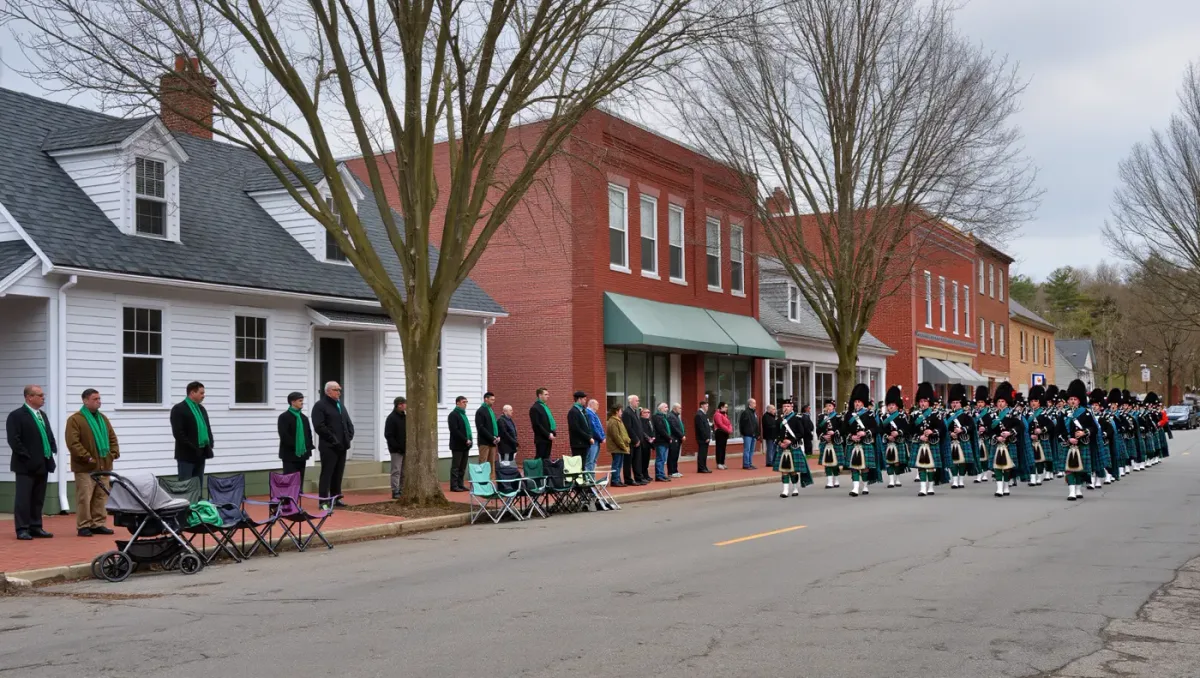
Pearl River hosts one of the largest St. Patrick's Day parades in New York State, drawing pipe bands, Irish dance schools and a crowd that fills its downtown blocks for hours. Rockland County's parade season also brings step-offs in other communities, and each one reshapes local streets for a morning and afternoon. Here is how the parades work, how towns and villages adjust traffic, and what residents should plan for.
Which Rockland communities hold St. Patrick's parades?
Pearl River, in the Town of Orangetown, is the county's flagship event, run by local Irish organizations with support from village and county agencies. The parade typically steps off on a Sunday in March, usually the weekend before or near St. Patrick's Day itself, with the exact date announced by organizers each year. Other Rockland communities, including Suffern and Pearl River's neighbors in the Rockland Countryside area, have held their own smaller parades or combined events in past years, and some villages mark the season with pub-based celebrations rather than a march.
Because the calendar shifts, residents should treat any date they remember from last year as a starting point, not a promise. Organizers announce each year's date, step-off time and grand marshal through their own websites, local fire company notices and village channels.
What is the Pearl River parade route?
The Pearl River parade historically runs through the heart of the downtown, along the main commercial corridor near Central Avenue and the business district, with reviewing stands set up near the center of the route. The precise route is published by organizers before parade day, and it has varied over the years. The route typically follows a straight line through downtown so that pipe bands, floats and marching units can pass the reviewing stand without turns that break up formations.
A good rule of thumb for newcomers: the parade goes where the downtown is, so assume that every street in central Pearl River will feel the effects, even blocks well away from the route itself.
When do streets close?
Police departments typically begin closing streets along the route an hour or two before step-off, and side streets feeding into the route often close progressively as the crowd builds. In Pearl River, the closures have generally remained in place until the last marching unit clears the route and pedestrians disperse, which can be late afternoon after an early-afternoon step-off.
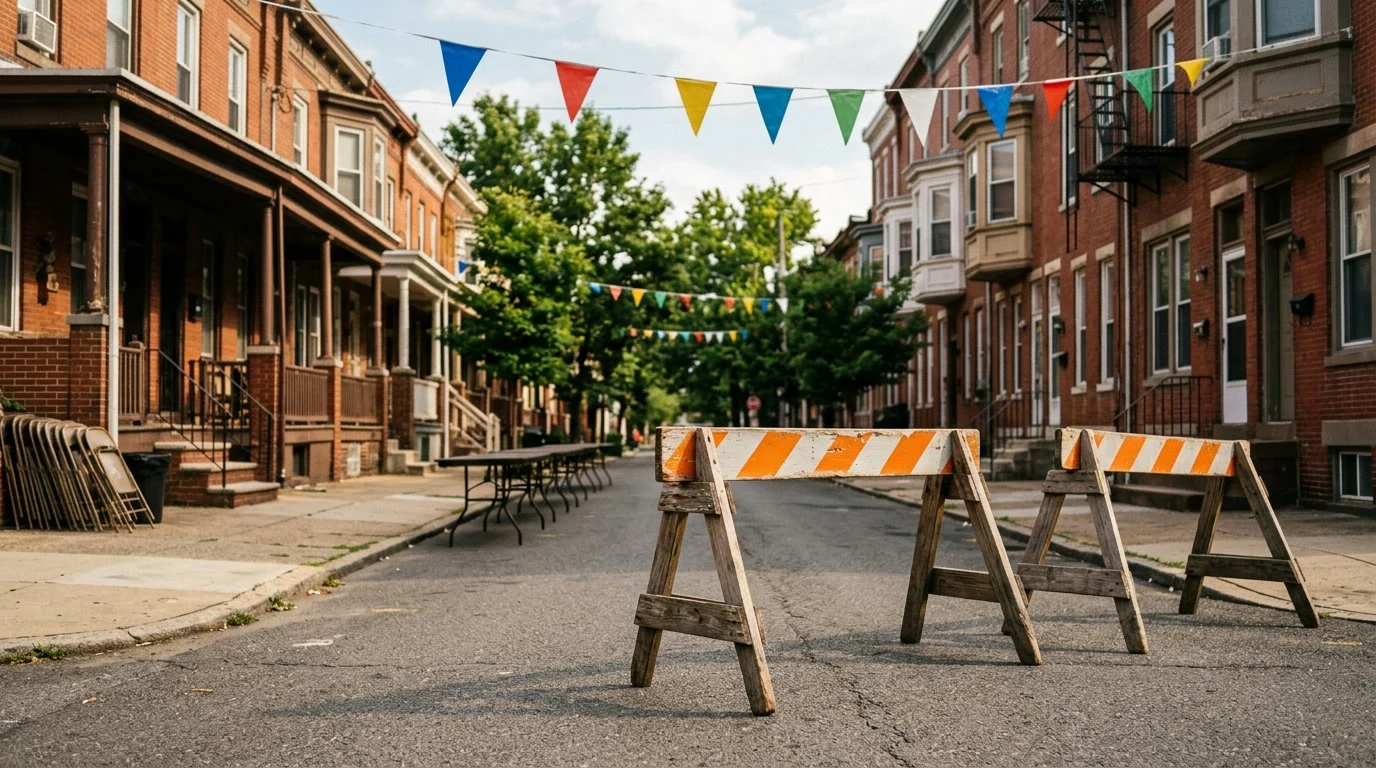
Towns and villages announce closures through police advisories, Nixle alerts and municipal social media in the days before the event. If you live on or near a route, expect no parking signs to appear on your block a day or two in advance, and plan to move your car before enforcement begins.
Where should visitors park?
Parking is the single biggest logistical challenge, especially in Pearl River. Regular downtown street spots disappear early, and the municipal lots near the train station and business district fill up well before step-off. Veterans and visitors with mobility needs should ask organizers about designated accessible viewing and drop-off points, which are announced with the parade details.
Practical options that regular attendees use:
- Arrive early — by mid-morning for an afternoon parade — and park in the outlying municipal lots.
- Take New Jersey Transit's Pascack Valley Line to the Pearl River station when service allows, which avoids driving entirely, and check the railroad's parade-day notices for schedule changes.
- Use legal side streets a 10- to 15-minute walk from the route rather than circling downtown.
- Never park in private lots of businesses along the route unless a sign or attendant invites you to; towing is common on parade days.
Weather is the wildcard. A raw March wind can thin a Pearl River crowd noticeably, while a mild year pushes attendance toward the record levels the parade has drawn in its biggest editions. Organizers watch the forecast but almost never cancel; a parade postponed for weather is a rare exception rather than the rule. Dress for standing still outdoors for two or three hours, not just for the walk to the route.
How do the towns change traffic patterns?
Each parade is a joint operation. The village or town police department sets the closure plan, the highway or public works department places barricades and cones, and volunteer fire departments and ambulance corps provide standby coverage. Detour routes are usually posted on the main approach roads, and officers redirect drivers at key intersections. On parade day, expect delayed crossings, temporary bus re-routes and heavier-than-usual traffic on the corridors that parallel the route.
Residents with somewhere to be — a flight, a shift, a game — should build in extra time or, ideally, stay inside the closure perimeter on foot for the day.
What should families bring?
March weather in Rockland can swing from raw rain to bright sun, so layers matter. Regulars bring folding chairs, thermoses and patience: crowds arrive early to claim sidewalk spots near the reviewing stand. Portable restrooms are typically placed along the route by organizers, but lines are long by mid-parade. Keep children close and agree on a meeting point in case anyone is separated, since cell service in a dense crowd is unreliable.
Parades in Rockland are organized by volunteers who spend months raising money and coordinating bands. If the day goes smoothly for you, a donation at one of the volunteer fire company tables along the route is how the next parade gets funded.