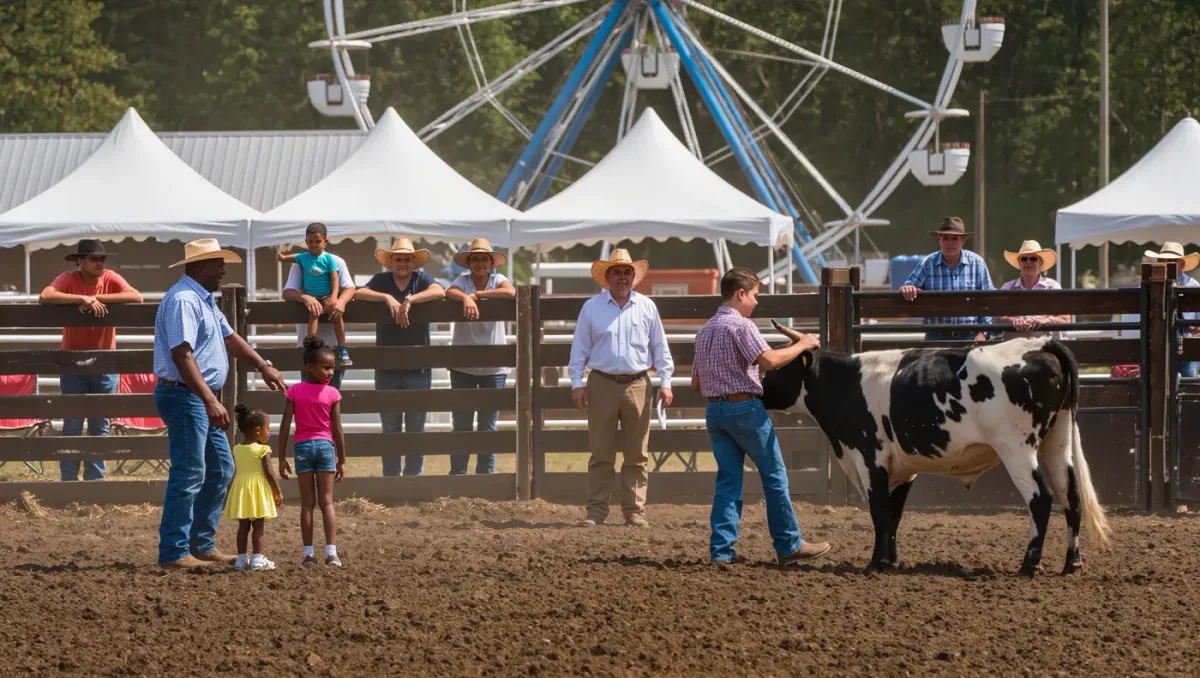
From late spring through early fall, fair season rolls across Rockland County: firemen's fairs on school and park fields, agricultural days tied to the county's farming heritage, and community carnivals that double as the year's biggest fundraisers. Most are staged by volunteers, and each one follows a familiar grammar of rides, food trucks, raffles and fire company pride. Here is who runs the fairs, what typically happens at them, and how to plan a visit.
Fair season is also a training ground. The teenagers running the ring toss and the dunk tank are often earning service hours or raising money for their own teams, and the auxiliary members who staff the kitchen are carrying recipes and routines that go back decades. Ask anyone at the gate who put the night together and you will usually get a name, not an organization.
Who organizes Rockland County's fairs?
The workhorse of fair season is the volunteer fire company. Firemen's fairs and carnivals — held by companies across Haverstraw, Stony Point, Spring Valley, Nanuet, Pearl River, Suffern and the river towns — are among each company's most important fundraisers of the year, paying for equipment and operating costs that tax dollars and donations do not fully cover. Members spend months planning: booking the traveling carnival company that brings the rides, arranging the field permits, recruiting volunteers for the ticket booths and the food tents.
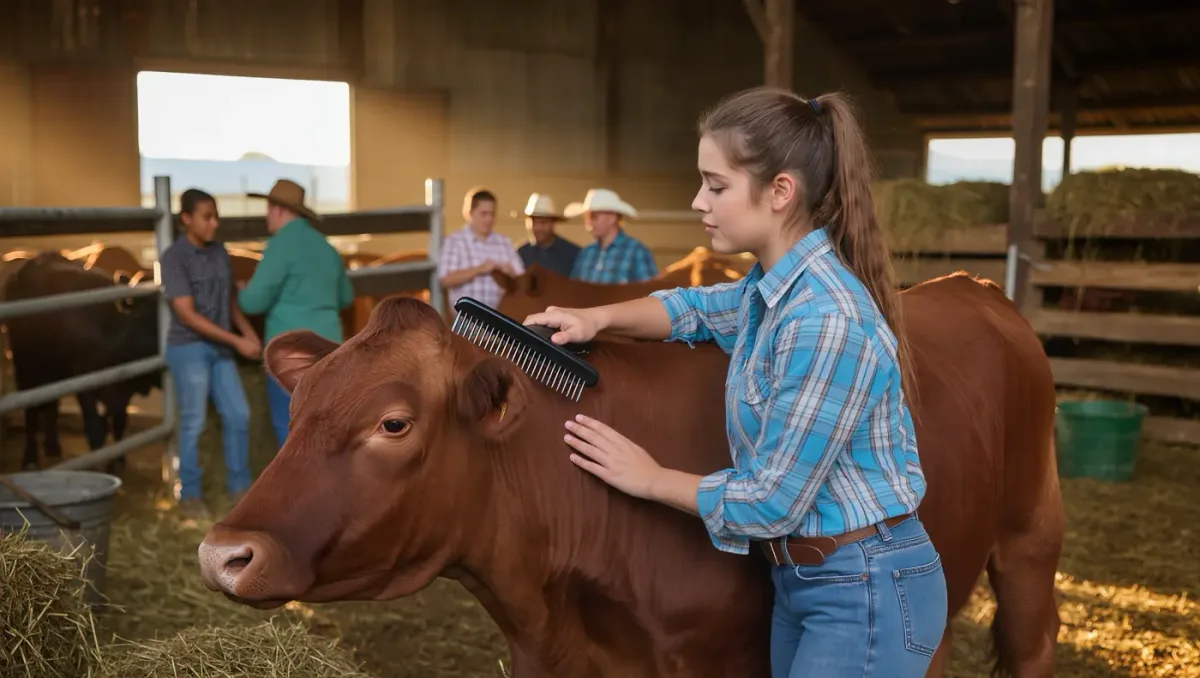
Alongside the fire company fairs, the season includes events with an agricultural bent. The Rockland County Farm Museum and grange organizations have hosted country fairs and harvest events at county-owned historic sites, and some towns fold a fair-style weekend into their larger community celebrations. Church festivals and school PTA carnivals round out the calendar with smaller versions of the same formula.
What typically happens at a Rockland fair?
The formula is remarkably consistent across the county, whether the fair is on a firemen's field or a farm museum lawn:
- Traveling carnival rides and games, with wristband nights that sell unlimited rides for a flat price.
- Food — and at fire company fairs, that often means the company's own cooking, from corn on the cob to the steak sandwiches members grill themselves.
- Raffles and 50/50 drawings, which carry much of the fundraising load.
- Live music or a DJ tent, typically local bands on weekend evenings.
- Kids' activities — petting zoos, face painting, balloon artists — concentrated in the early-evening hours.
Agriculturally themed fairs swap some rides for farm demonstrations, craft vendors, heritage displays and produce competitions, but the community-fundraiser DNA is the same.
When is fair season?
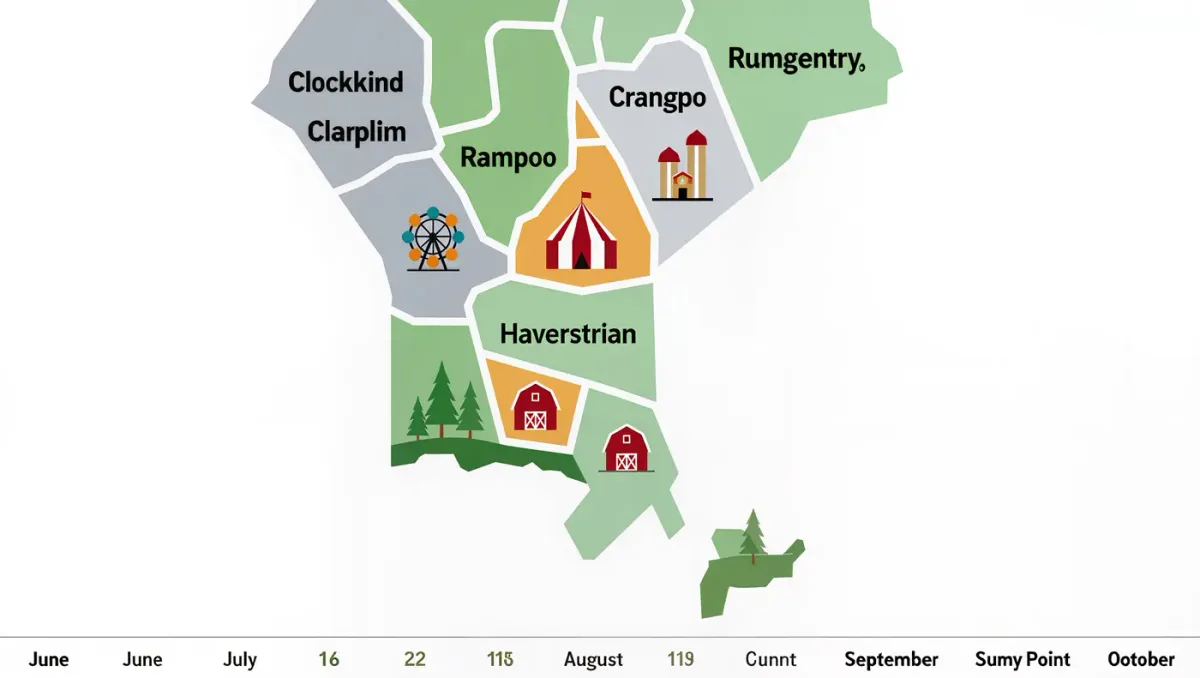
The season generally builds from late June, peaks through July and August, and tapers into early fall with harvest-themed events. Because each organization sets its own dates around its members' availability and the traveling carnival companies' routes, there is no single master calendar. Dates are announced each year through the hosting organization's own channels, municipal recreation pages and local media, so check the specific fire company or farm museum you are interested in as summer approaches.
One scheduling note: wristband specials and family nights are usually the best value, and they are announced with the fair's dates. Weeknight evenings are noticeably less crowded than Fridays and Saturdays.
Where do you park, and what does it cost?
Most fairs run on shared grounds — firemen's fields next to the firehouse, school fields, park parcels — with lots that fill quickly on weekend nights. Volunteers typically direct parking onto adjacent grass or nearby lots, sometimes for a donation to a scouting troop or sports team. Admission at firemen's fairs has historically been modest or free, with the company earning its money at the rides, food and raffles instead; agricultural fairs at county sites may charge a small gate fee. Bring cash, because ticket booths and food tents at volunteer-run events do not all take cards, though more now do.
Bringing kids to a fair?
Fairs are built for families, but a little planning helps. Go early in the evening when ride lines are shortest, set a meeting spot near the ticket booth in case anyone wanders, and note that wristband nights let kids ride repeatedly without new tickets each time. Strollers work on most fairgrounds but crowd the midways on weekend nights. The food tents run by the fire companies and their auxiliaries are part of the experience, and the lines move faster than they look.
Why the fairs matter
A fair season night is one of the few places where the whole apparatus of Rockland's civic life is visible at once: volunteer firefighters grilling dinner, a grange member judging preserves, teenagers running a dunk tank for their sports team. The fairs also function as the county's informal open houses for its fire companies — the same organizations that answer alarms all year are the ones handing you an ear of corn. If you go to one fair this summer, make it a firemen's fair, bring small bills, and buy a raffle ticket you will probably not win. That is the point.