Every year from spring through fall, Rockland's towns play host to a familiar scene: orange cones down a Main Street before 8 a.m., a folding table with race bibs, and a few hundred people in sneakers waiting for a horn. Charity runs and walks are among the county's most common permitted events — school PTAs, hospital foundations, veteran groups and memorial funds all stage them — and the mechanics behind each one are more similar than they look.
Where do the races typically run?
Rockland's charity events cluster around two kinds of courses. The first is the school-and-neighborhood loop: a 5K starting and finishing at a school in New City, Pearl River, Suffern or Spring Valley, running quiet residential streets with police at the main intersections. The second is the scenic route: riverfront paths and park roads in Haverstraw, Nyack and Stony Point, where the Hudson doubles as the backdrop and the field draws runners from beyond the county.
The 5K distance dominates for a practical reason — it is walkable, so a charity can invite families, strollers and older participants rather than only runners. Some events add a kids' fun run on a shortened course, and a smaller number offer a 10K or a timed half, but the walk-run 5K is the county's standard product. Course layouts repeat year to year when they work, which is why regulars can describe their town's route from memory.
How does a street get closed for a race?
No charity can simply cone off Route 9W. Closing a road for an event is a municipal process, and in Rockland it typically runs through these steps:
- Special event permit — the organizer applies to the town or village clerk well in advance, with a course map, date, expected turnout and site plan.
- Police review — the local department or, where applicable, the Rockland County Sheriff's Office reviews intersections that need traffic control and assigns officers or volunteer fire police.
- Notifications — residents and businesses on the course are typically notified in advance, and a rain contingency is filed with the permit.
- Day-of logistics — cones, barriers and signage go up before dawn, course marshals staff the turns, and roads reopen in stages once the last walker clears.
The cost and paperwork are why most charity runs use park paths and residential loops rather than arterial roads. An organizer that keeps the course inside a park or school grounds may need far less traffic control, which preserves more of the registration revenue for the cause — the entire point of the event.
How does registration work?
Nearly all Rockland charity races now register through national online race platforms rather than paper forms. Participants sign up in advance at a reduced fee, pick up a bib — sometimes mailed, more often at a morning-of table at the start line — and pay day-of registration at a premium if the event is not capped. Registration fees and sponsorships, not the entry count alone, are what the charity banks: a local bank or business underwriting the T-shirts can double what a small race nets.
Timing varies by ambition. Some events are informal fun runs with no timing at all; others rent chip timing and post official results. Fundraising mechanics layer on top — participants can collect pledges, and many events award the top fundraiser alongside the top finisher. Check each event's page for what the fee includes, because shirts, timing and post-race food differ from race to race.
What is the race morning like?
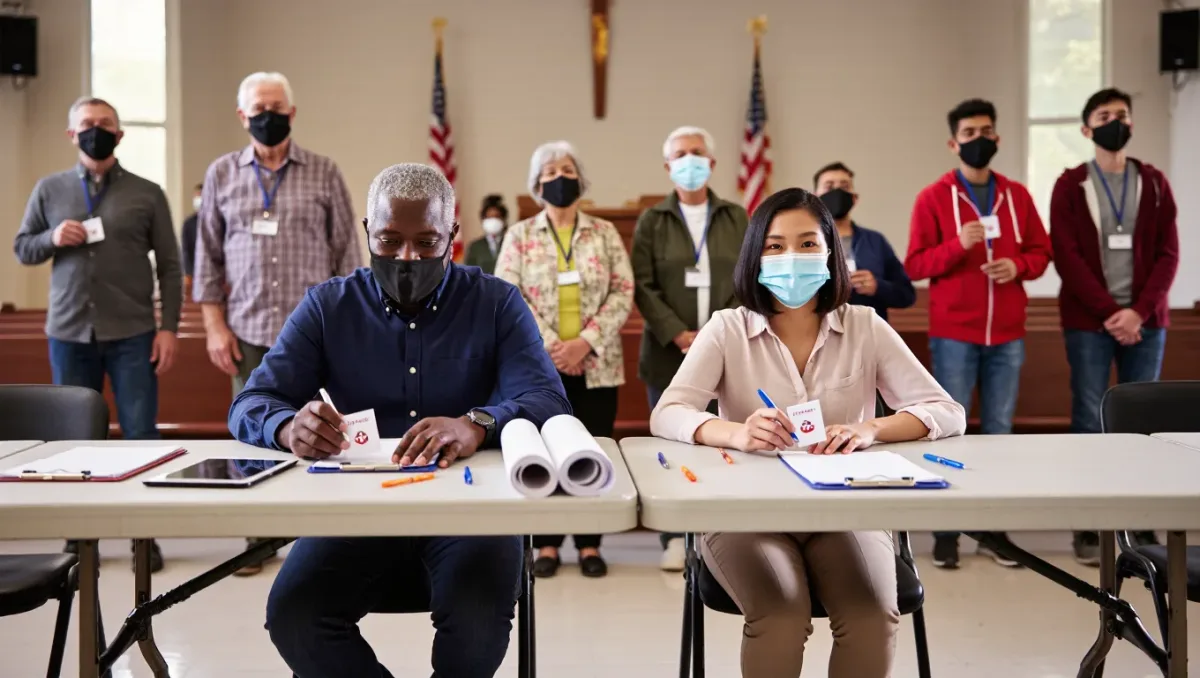
The pattern repeats across the county. Bib pickup and same-day registration open an hour or so before the start; a group warm-up or announcements honoring the event's cause run shortly before; the field starts in a single wave on a horn or air horn. Walkers line up at the back, and a sweep vehicle or marshal follows the last participants so no one finishes behind the reopened roads.
The post-race table — bagels, fruit, water, sometimes a raffle — is where the cause gets explained. Expect a short speech from the organizing family or foundation before or after the awards, because most of these races exist to fund something specific: a scholarship, a research fund, a memorial fund for a resident, or a school program.
How to find and choose an event
There is no single county calendar, so the practical routes are: race listing platforms filtered to Rockland, school district and nonprofit social media, and municipal recreation department pages, which list events using town facilities. When choosing among them:
- Confirm whether the course is timed or untimed, and whether strollers and dogs are allowed — rules differ by organizer
- Register in advance; day-of fees run higher and popular events can cap their fields
- Expect morning street closures near the start, and plan your own driving around the cones, not through them
Between the school loops of New City and the riverfront courses in Haverstraw, a Rockland runner can find a charity 5K on many weekends from April through November. Each one required a permit, a police plan and a folding table of bibs to exist — knowing that, thank a volunteer at the finish line.