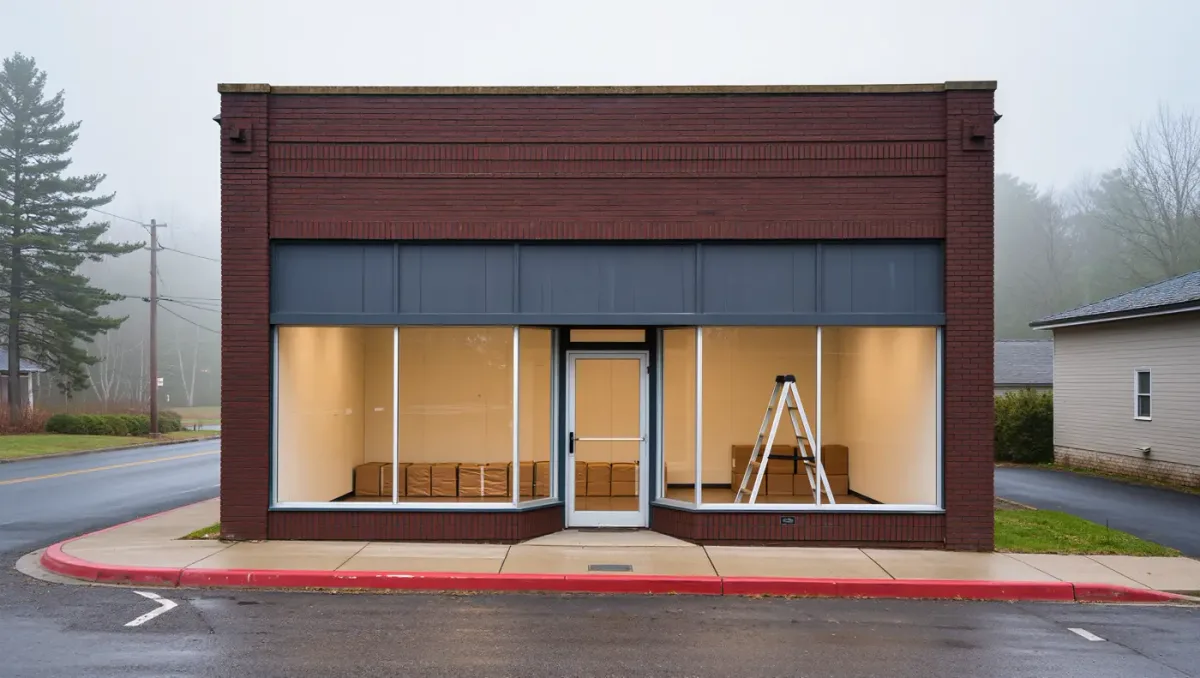
Opening a storefront in Rockland County means clearing two layers of government — New York State and your town or village — before the doors open. The sequence is predictable: register the business with the state, confirm any professional licensing, secure local zoning approval and a certificate of occupancy for your space, then pull building, sign, and health permits that apply to your specific trade. Doing the steps out of order is the most common and expensive mistake, because a lease signed before a zoning check can become a liability. Here is the sequence in order, with the agencies that handle each step.
Step 1: Register your business with New York State
Start by choosing a legal structure. A sole proprietor using their own name may need little more than a county DBA ("doing business as") certificate filed with the Rockland County Clerk, while an LLC or corporation forms through the New York State Department of State, Division of Corporations. Filing an LLC involves Articles of Organization and a $200 state fee, plus the state's biennial statement requirement.
Next, get a federal Employer Identification Number from the IRS — it is free and done online at irs.gov — and register for New York State taxes through the Department of Taxation and Finance if you will sell taxable goods or hire employees. New York also requires new employers to register for unemployment insurance through the Department of Labor. The state's business.ny.gov portal and the U.S. Small Business Administration's New York office both publish free checklists covering this stage.
Step 2: Confirm zoning before you sign a lease
Zoning decides whether your use — a restaurant, a barbershop, a daycare, an office — is allowed at a specific address, and in Rockland that answer depends on which of the county's five towns and nineteen villages the address falls in. Nyack, Suffern, Haverstraw, Spring Valley, Ramapo, Clarkstown, Orangetown, and Stony Point each run their own building and zoning departments. Many Rockland villages also require site plan review or a special permit from the planning board or zoning board of appeals for certain uses, which means public hearings measured in months, not days.
Ask the local building department for a written zoning determination on your use before signing anything. If the use needs a variance, build that hearing timeline into your business plan rather than discovering it after the rent clock starts.
Step 3: Get your certificate of occupancy in order
Retail and office space must carry a certificate of occupancy matching its use. If the prior tenant ran a nail salon and you are opening a restaurant, the classification changes and the building department may require an altered certificate — which can trigger fire code review, parking calculations, and ADA-related upgrades. In villages with aging Main Street building stock, this is where timelines stretch, so request the existing certificate copy early.
Step 4: Pull building and sign permits
Any construction — plumbing for a restaurant kitchen, electrical work, a new storefront entrance — needs a building permit from the town or village building department, with work by licensed electricians and plumbers and inspections at each stage. A sign permit is separate and worth budgeting for: Rockland's downtowns enforce sign codes covering size, illumination, and whether the sign is flush-mounted or projecting, and historic districts add an architectural review layer. Installing a sign without a permit invites a violation and an order to remove it.
Step 5: Health permits for food and personal services
If you handle food, the New York State Department of Health licenses food service establishments, and retail food stores fall under the state Department of Agriculture and Markets. Your local health department office is often the practical first stop for applications and plan review — a restaurant kitchen plan goes through plan review before equipment is installed, not after. Personal services such as barbering, cosmetology, and tattooing are licensed at the state level through the Department of State's Division of Licensing Services, and daycares are regulated by the state Office of Children and Family Services.
Step 6: Handle alcohol, fire, and other special approvals
Serving alcohol means a license from the New York State Liquor Authority, a process that includes public notice and community input and frequently takes longer than any construction. Restaurants also face fire marshal inspections for occupancy limits, hood suppression systems, and exits. Businesses with parking lots, outdoor seating, or entertainment may need additional town approvals, and sidewalk dining in villages like Nyack requires its own revocable consent.
Step 7: Use the free help before you apply
Two resources reduce the guesswork at no cost. The Rockland County chapter network of the Small Business Administration — including the SBA's Hudson District office — funds Small Business Development Center advisors who review your plan and permit sequence. County and local chambers of commerce also walk new owners through local contacts. An hour with an advisor before the zoning call routinely saves weeks later.
How long does the whole process take?
A low-impact use moving into a space with a matching certificate of occupancy — a retail shop with no sign changes and no construction — can open in weeks. A restaurant, bar, or any use needing site plan approval, variances, or a liquor license should plan on six months to a year, with the liquor license usually the long pole. The variables are local: which municipality you are in, whether public hearings are required, and whether your building's paperwork is current.
What does it cost?
Costs split between state fees and local permit fees. State-side, LLC formation runs $200 plus publication requirements in some cases; professional licenses and the liquor license carry their own fee schedules. Local building, sign, and health permit fees are set by each municipality's fee schedule, published by town and village clerks — request the current schedule rather than relying on a neighbor's receipt, since schedules change.